
How to Avoid Costly Errors When Working Beneath WA’s Infrastructure
Before any excavation, trenching, drilling, or construction takes place, one thing matters more than anything: knowing exactly what lies beneath the ground.
In Perth and wider Western Australia, underground infrastructure is vast, complex, and often decades old. Beneath our feet lies an entire unseen world — gas pipelines, water mains, telecommunications cabling, electrical conduits, sewer lines, stormwater channels, NBN fibre, and abandoned utilities from older developments.
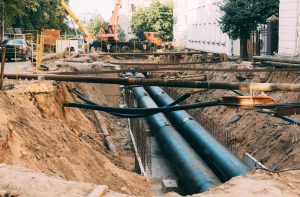
In high-activity regions such as Perth Airport, Welshpool, Wangara, Osborne Park, Malaga, Canning Vale, Joondalup, Wanneroo, Maddington, Kewdale, Mandurah, Henderson, Jandakot, Perth City, and the CBD, safe and precise utility locating is critical. Even a single strike can cause:
-
Major project delays
-
Tens of thousands of dollars in damage
-
Service interruptions for entire suburbs
-
Environmental contamination
-
Serious injury or fatalities
-
Legal liability under WA regulations
This is why proper underground utility locating is no longer optional — it is essential. But too many excavation teams still make avoidable mistakes that put people, infrastructure, and budgets at risk.
Below are the five most common mistakes and how to avoid them using best-practice methods, advanced locating tech, and non-destructive digging (NDD) principles.
Mistake 1: Relying on Old, Incomplete, or Non-Verified Utility Maps
Many underground strikes in Perth occur simply because contractors depend on inaccurate or outdated maps. Western Australia has a mix of:
-
older suburbs with undocumented utilities
-
recently developed industrial areas with deep service corridors
-
areas like Welshpool and Osborne Park with constantly evolving infrastructure
-
coastal suburbs with corroded or relocated underground assets
Using outdated plans is like trying to navigate Perth City with a map from the 1990s — it will lead you straight into trouble.
What Usually Goes Wrong:
-
Utility maps don’t reflect recent upgrades.
-
Old infrastructure remains unmarked.
-
New subdivisions contain shifted or re-aligned water, gas, and electrical assets.
-
As-built drawings from decades ago are inaccurate or missing.
Best Practice Solution:
-
Always request latest-version utility plans from DBYD 1100 before any work begins.
-
Compare multiple sources (water, gas, NBN, electrical).
-
Validate the maps with GPR scanning, EMF locating, and potholing.
Key Insight:
Maps alone are not enough. Verification is mandatory.
In high-risk excavation areas like Perth Airport, Kewdale, Henderson, and the CBD, updated maps must be combined with advanced locating to eliminate risk.
Mistake 2: Skipping Proper Utility Marking Before Digging
Even with accurate maps, failing to mark utilities on the ground is a recipe for disaster. Before any trenching, drilling, or excavation begins, the site must be professionally marked according to Australian standards.
Common Errors on WA Job Sites:
-
Rushed marking
-
Relying on guesswork instead of GPR readings
-
Inexperienced locators using incorrect frequencies
-
Markings that wash off with rain
-
Mismatches between drawings and ground markings
What Proper Marking Should Include:
✔ On-site GPR scanning
✔ EMF locating of metallic services
✔ Spray-marked utility lines
✔ Pegs or flags for long corridors
✔ Photographic documentation
✔ Verification through potholing
Why It Matters:
Without clear markings, excavation becomes guesswork — a major risk in areas like:
-
Wangara (heavy commercial cabling)
-
Malaga (industrial gas lines)
-
Henderson (defence and marine infrastructure)
-
Mandurah (mixed new/old water & sewer networks)
Failing to mark utilities properly is one of the most avoidable causes of service strikes in Perth.
Mistake 3: Ignoring Modern Technology Like GPR & Non-Destructive Digging
Some contractors still rely on old-school techniques: visual guesswork, manual probing, or outdated metal detectors. These methods are extremely risky.
Perth soil conditions also vary significantly:
-
Sandy regions around Canning Vale, Joondalup, and Wanneroo
-
Clay-heavy areas around Maddington and Kewdale
-
Moisture-rich ground near Mandurah and Henderson
Modern technology is required to detect utilities accurately in these mixed terrains.
Essential Technologies for Accurate Locating:
1️⃣ Ground Penetrating Radar (GPR)
Detects non-metallic services:
-
PVC pipes
-
Stormwater
-
Fiber optics
-
Abandoned conduits
2️⃣ Electromagnetic Locators (EMF)
Detect metallic utilities:
-
Electrical
-
Gas
-
Telstra lines
3️⃣ Non-Destructive Digging (NDD) / Vacuum Excavation
The ONLY safe method to physically expose utilities without risk of damage.
Ignoring Tech Leads To:
-
Gas strikes in industrial zones
-
Fibre optic cuts costing thousands
-
Power outages
-
Water line ruptures
Using advanced tech is not a luxury — it’s industry standard.
Mistake 4: Failing to Communicate With Utility Companies Early
Many Perth excavation projects skip the crucial step of coordinating with utility asset owners. This is a major oversight, especially in dense utility regions like Perth CBD, Osborne Park, Wangara, and Perth Airport.
Why Communication Matters:
Utility companies can provide information that plans do not:
-
Depth changes not documented
-
Recently installed lines
-
Sleeves and conduits running off-alignment
-
High-risk zones requiring supervision
-
Old redundant services that still pose risks
Best Practice Communication Workflow:
-
Contact all relevant utility owners (Water Corp, ATCO Gas, Western Power, NBN).
-
Submit your project plans and receive asset-specific advice.
-
Request on-site supervision for high-risk assets if required.
-
Confirm any additional safety measures needed (live power lines, high-pressure gas).
Good communication reduces costly surprises — and keeps everyone safe.
Mistake 5: Inadequate Safety Measures During Locating & Digging
Safety must be at the center of every underground utilities project. The reality is:
Most service strikes happen when safety procedures are rushed or ignored.
Common safety failures include:
-
No site induction or toolbox meeting
-
Ignoring exclusion zones
-
Improper PPE
-
Rushing potholing
-
Skipping GPR verification
-
No supervisor present
How to Avoid Safety Risks:
✔ Conduct site inductions before work begins
✔ Use NDD for exposing high-risk assets
✔ Maintain clear exclusion zones
✔ Follow DBYD guidelines strictly
✔ Document and flag every exposed service
✔ Ensure operators are properly trained
In active industrial regions like Welshpool, Malaga, Kewdale, and Henderson, safety culture separates professionals from amateurs.
Why Proper Utility Locating Matters in Western Australia
Perth is unique in its underground infrastructure network. Unlike many other Australian regions, Perth has:
-
Mixed-age utilities (some over 60 years old)
-
High-density industrial corridors
-
Rapidly expanding suburbs
-
Shifting soil types, from coastal sand to clay-heavy inland zones
-
Legacy infrastructure that was never digitally mapped
-
New fibre rollouts, often running parallel to old conduits
-
Frequent redevelopment, leading to relocated utilities
-
Private and abandoned assets buried without records
This complexity makes accurate underground locating essential for:
✔ Construction
✔ Roadworks
✔ Civil engineering projects
✔ Plumbing and drainage
✔ Drilling and trenching
✔ Telecommunications works
✔ Utility maintenance
✔ Subdivision development
✔ Landscaping and tree planting
Every safe excavation in WA begins with proper locating and verification.
Service Areas We Cover Across Perth Metro & WA
We offer comprehensive underground locating, GPR scanning, EMF detection, mapping, and NDD services across:
Northern Suburbs
-
Wangara
-
Joondalup
-
Wanneroo
-
Malaga
Central & Western Perth
-
Perth City
-
Perth CBD
-
Osborne Park
-
Perth Airport
Southern Suburbs
-
Canning Vale
-
Jandakot
-
Henderson
-
Mandurah
Industrial & Transport Hubs
-
Welshpool
-
Maddington
-
Kewdale
Each location comes with unique risks, soil types, and infrastructure challenges — requiring tailored scanning and verification processes.
Why Choose Us for Underground Utility Locating in Perth?
- Advanced GPR & EMF Technology: We use industry-leading equipment for high-resolution locating.
- Full Non-Destructive Digging (NDD) Capabilities: Vacuum excavation ensures zero-damage verifications.
- Perth-Wide Expertise: We understand WA’s soil, infrastructure, and historic utility layout.
- Compliance With WA Laws & AS5488 Standards: Your project stays compliant, safe, and fully documented.
- Faster Clearance, Less Downtime: Accurate locating accelerates excavation timelines.
- Highly Trained Utility Locators: Experienced operators reduce risk and improve accuracy.
- Clear Documentation & Reports: Geo-referenced drawings, photos, GPR slices, and depth verification.
Frequently Asked Questions (FAQs)
1. How accurate is Ground Penetrating Radar in Perth soil?
GPR is highly accurate in sandy regions like Joondalup and Mandurah, and still effective in clay regions with the right frequency selection.
2. Do I still need DBYD if I hire a locator?
Yes — DBYD provides essential baseline info. GPR + EMF + NDD verifies it.
3. What happens if a utility strike occurs?
You may face liability, costly damage fees, project delays, and safety risks. Proper locating eliminates these risks.
4. Can you locate non-metallic utilities?
Yes — GPR identifies PVC pipes, stormwater, drainage, fibre conduits, and voids.
5. Do you provide reports for councils and engineers?
Yes — we supply full AS5488-compliant locating reports.
Safeguard Your Project With Expert Help
We’ve covered several pitfalls that can complicate underground utility location, stressing the importance of up-to-date maps, proper markings, advanced technology, open communication, and sound safety practices. These elements all contribute to a successful and safe digging operation. Making these practices a standard part of your projects lowers risks and helps ensure that everything stays on track.
Taking the time and effort to locate utilities properly isn’t just about preventing costly mishaps. It’s also about laying a strong foundation for the overall success of your project in Perth. As the local landscape grows, these practices become even more significant in maintaining efficiency and safety in construction projects.
For your next excavation project, ensure accurate and safe results with iVac WA’s expert vacuum excavation in Perth. Our team leverages cutting-edge technology to precisely locate underground utilities, helping you avoid costly mistakes and ensuring a smooth process from start to finish. Trust iVac WA to deliver the precision and efficiency your project deserves. Reach out to us today.