PFAS has become one of the most closely watched contaminants in the country, and for good reason. These persistent chemicals do not break down, they move easily through soil and water, and getting rid of them is nothing like disposing of ordinary waste.
For any site dealing with PFAS-contaminated water, soil or sludge, safe removal and disposal is a regulated, specialist job.
This guide explains what PFAS is, where PFAS waste comes from, why it cannot simply be tipped away, and how it is safely removed, transported and disposed of in Perth and wider Western Australia.
What Is PFAS and Why Is It a Problem?
PFAS stands for per- and polyfluoroalkyl substances, a large family of synthetic chemicals valued for their resistance to heat, water and stains. They have been used for decades in products such as firefighting foam, non-stick coatings, waterproofing and stain protection.
The same durability that made PFAS useful is exactly what makes it a problem. They are so resistant to breaking down that they are often called forever chemicals, and once they enter the environment they persist for a very long time, moving through groundwater and accumulating over time.
Because of the risks this poses to health and the environment, PFAS is now tightly regulated, which is why its waste has to be handled with far more care than ordinary material.
Where PFAS Waste Comes From
PFAS turns up in a range of settings, and the waste is often generated during clean-up, maintenance or investigation works.
The best-known source is aqueous film-forming foam, or AFFF, the firefighting foam once widely used at airports, defence sites and fire training grounds. Beyond that, PFAS is commonly detected near landfills, wastewater treatment plants and other waste facilities, as well as at industrial sites where PFAS-containing products were used.
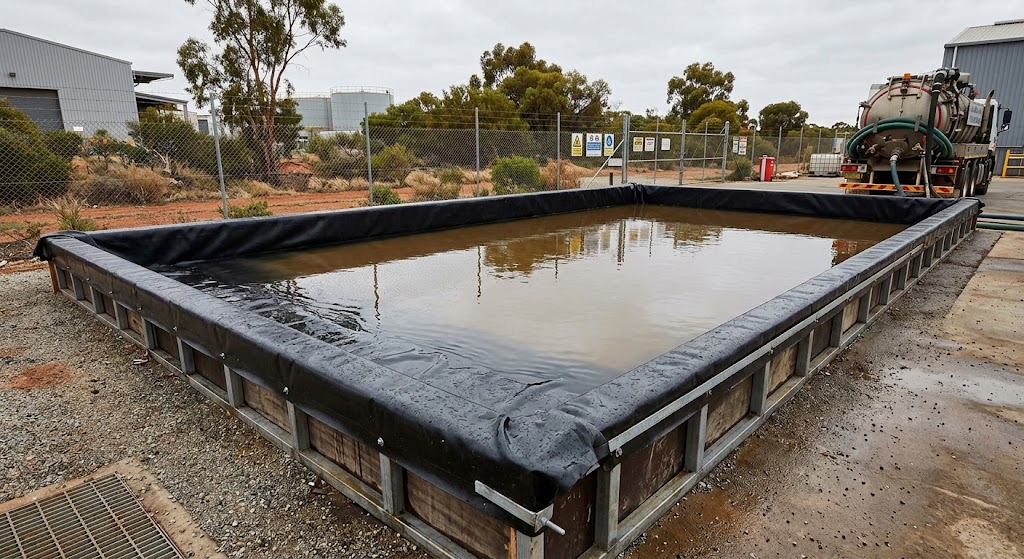
Contaminated water can collect in bunds, sumps, pits and ponds, while contaminated soil and sediment are often generated during site investigation and remediation. In each case, that material becomes a waste stream that has to be captured and disposed of properly.
Why PFAS Waste Cannot Just Be Tipped Away
Ordinary waste can go to an appropriate landfill or down a licensed drain. PFAS waste cannot, and treating it like general waste is both illegal and environmentally damaging.
Because PFAS is so persistent and mobile, allowing contaminated water or soil to enter the ground, a drain or an unlicensed landfill risks spreading the contamination further.
That is why PFAS waste is captured, contained and directed only to facilities licensed to accept it. In Western Australia, contaminated liquid waste is classed as controlled waste, which brings strict rules around how it is transported and where it can go.
How PFAS Waste Is Regulated in Western Australia
Safe PFAS disposal sits within a clear regulatory framework, and understanding it explains why the process is so careful.
At the national level, the PFAS National Environmental Management Plan, known as the PFAS NEMP, provides the how-to guide for investigating and managing PFAS contamination and waste. Its latest edition, version 3.0, was published in March 2025 and has been adopted in Western Australia, where the Department of Water and Environmental Regulation regulates PFAS-contaminated sites.
At the state level, PFAS-contaminated liquid is a controlled waste. The transport of controlled waste on WA roads is regulated by DWER under the Environmental Protection (Controlled Waste) Regulations 2004, which require carriers, drivers and vehicles to be licensed, and movements to be tracked.
Solid PFAS waste, such as contaminated soil and sediment, can only go to landfills licensed to accept it, within set concentration limits, and it must not be diluted to meet those limits. In short, from the moment it is collected to the moment it is disposed of, PFAS waste is closely controlled.
How PFAS Waste Is Safely Removed and Disposed Of
Removing PFAS waste properly follows a careful sequence, and each step is designed to keep the contamination contained.
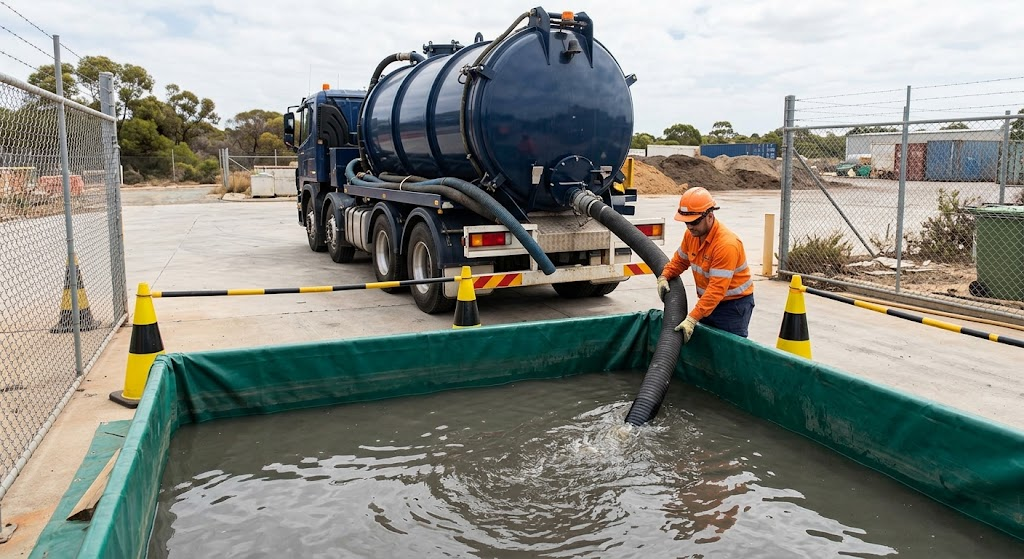
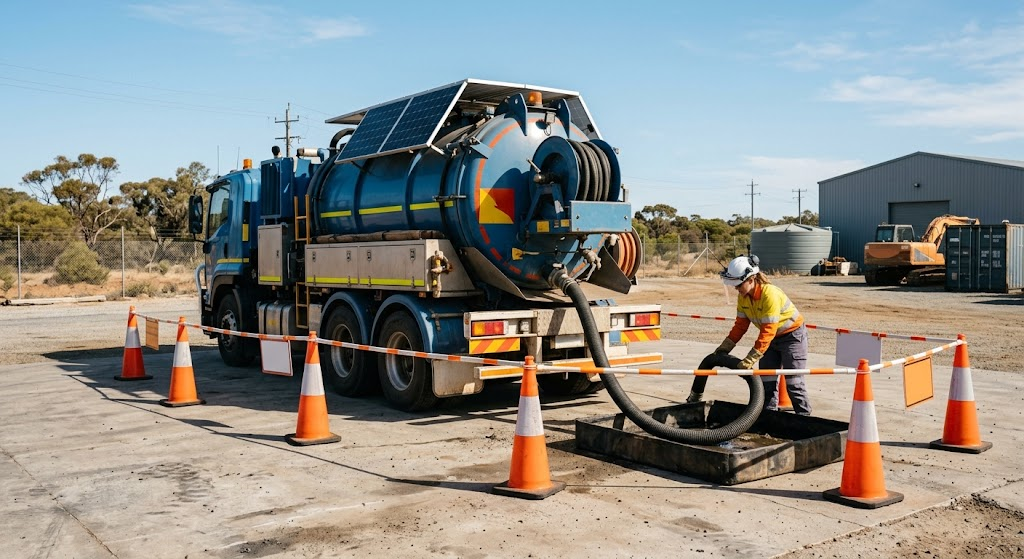
It starts with assessment, classifying the waste so it can be directed to the right licensed facility. Contaminated water, sludge and soil are then safely collected and contained. This is where vacuum equipment is invaluable, extracting contaminated water and slurry from bunds, sumps and pits cleanly, with no spillage and no cross-contamination of clean ground.
The waste is then transported by a licensed carrier to a licensed facility, with the movement tracked as required.
The collection stage matters more than it might seem. Because PFAS spreads so easily, the goal at every step is to keep the contaminated material fully contained, drawing it directly into a sealed tank rather than letting it splash, leak or soak into surrounding soil.
A vacuum truck is well suited to this, handling water, slurry and sludge together and keeping the whole load enclosed from the point of collection through to the licensed facility. Doing this cleanly is what separates a compliant PFAS removal from one that simply moves the problem around.
At the facility, the material is treated or disposed of according to its type. Contaminated water is typically treated with technologies such as granular activated carbon or ion exchange, which separate the PFAS from the water. Contaminated soil and sediment are disposed of at a licensed landfill, or treated through methods such as stabilisation. The common thread is that the PFAS is contained and managed, never simply released.
PFAS Waste Types and How They Are Handled
Different PFAS waste streams call for different handling, and the first step is always to identify what you are dealing with.
| PFAS waste type | Where it comes from | How it is handled |
| Contaminated water | Bunds, sumps, pits and ponds | Vacuum extraction, then treatment at a licensed facility |
| Contaminated slurry and sludge | Site clean-ups and interceptors | Vacuum removal, then disposal at a licensed facility |
| Contaminated soil and sediment | Investigation and remediation works | Removal to a licensed landfill or treatment |
| AFFF and firefighting foam waste | Fire training grounds and AFFF sites | Contained and transported for licensed disposal |
Why Getting Disposal Right Matters
With PFAS, the stakes for doing it properly are high. Because the contamination is persistent and mobile, a spill or an improper disposal does not simply go away, it can spread through soil and groundwater and become a long-term problem that is difficult and expensive to remediate.
There is a compliance dimension too. PFAS waste sits within a strict regulatory framework, and mishandling it, whether by disposing of it as ordinary waste, allowing it to enter a drain, or transporting it without the right controls, can carry serious consequences.
For a business or site operator, that makes the choice of how contaminated material is captured and moved just as important as where it eventually goes. Using the right equipment and a careful, contained process protects the environment, the site and the operator all at once.
Why Choose iVac WA
Safe PFAS waste removal starts with careful, clean collection and containment, and that is where we come in. Here is what we bring to every job:
- We are Perth’s leading vacuum excavation and liquid waste specialists, operating the largest and most advanced vacuum truck fleet in Western Australia.
- We safely capture, contain and transport PFAS-contaminated water, slurry, sludge and sediment for disposal at licensed facilities, working within WA’s controlled waste framework.
- We extract contaminated liquid from bunds, sumps, pits and interceptors cleanly, with no spillage and no cross-contamination of clean ground.
- We provide fast, reliable service for contaminated sites, industrial facilities and remediation projects.
- We support Western Australia’s mining, industrial, civil and commercial sectors, with a focus on safe work and a fast turnaround.
Because safe handling comes down to the right equipment and careful process, our vacuum fleet is ideally suited to capturing and moving contaminated material without spreading it.
| Need PFAS-contaminated water or waste removed from your site? Call iVac WA on (08) 6205 9986 or email info@ivacwa.com.au to arrange safe collection and transport across Perth. |
Frequently Asked Questions
What is PFAS and why is it dangerous?
PFAS is a family of synthetic chemicals known as forever chemicals because they resist breaking down. They persist in the environment, move easily through soil and water, and accumulate over time, which is why they are now tightly regulated and their waste must be handled carefully.
Can PFAS waste go to normal landfill?
No. PFAS-contaminated soil can only go to a landfill specifically licensed to accept it, within set concentration limits, and contaminated liquid is a controlled waste that must go to a licensed facility. Disposing of PFAS waste as ordinary waste is illegal and spreads the contamination.
How is PFAS-contaminated water removed?
It is captured and contained, often with vacuum equipment that extracts it cleanly from bunds, sumps and pits, then transported by a licensed carrier to a facility where it is treated to separate the PFAS from the water.
Is transporting PFAS waste regulated in WA?
Yes. Contaminated liquid is a controlled waste, and its transport on WA roads is regulated by the Department of Water and Environmental Regulation, requiring licensed carriers and vehicles and tracked movements.
Do you dispose of the PFAS yourselves?
We handle the safe collection, containment and transport of PFAS-contaminated water and waste, and deliver it to licensed facilities where the treatment and disposal takes place. Our role is to capture and move the material cleanly and compliantly.
What sites typically need PFAS waste removal
Common ones include former firefighting training grounds, airports and defence sites, industrial facilities, and any contaminated site undergoing investigation or remediation where contaminated water, soil or sludge is generated.
Conclusion
PFAS is not a contaminant to take shortcuts with. It is persistent, mobile and closely regulated, and disposing of it as ordinary waste risks both a serious environmental problem and a breach of the rules. Safe PFAS waste removal means capturing and containing the material cleanly, transporting it as a controlled waste, and disposing of it only at licensed facilities.
Whether it is contaminated water in a bund, slurry in a sump, or soil from a remediation project, the right equipment and a careful process keep the contamination contained from start to finish.
| To arrange safe PFAS waste collection and transport in Perth, call iVac WA on (08) 6205 9986 or email info@ivacwa.com.au. |