
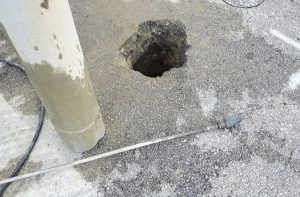
The modern construction industry faces constant challenges in managing environmental impact, especially when it comes to excavation tasks. Traditional methods often disrupt the natural environment, posing risks to ecosystems and increasing project costs in the long run. This is where vacuum excavation steps in, providing a smarter way to dig that prioritises both efficiency and environmental care.
Vacuum excavation in Western Australia is an innovative technique that gently removes soil using a high-powered vacuum, offering precise and non-destructive solutions for a variety of projects. As cityscapes continue to expand, especially in urban areas like Perth, there is a growing need for methods that minimise the ecological footprint of construction activities. Let’s explore how this technology serves as a more eco-friendly option, protecting the environment from unnecessary harm.
Understanding Vacuum Excavation and Its Environmental Benefits
Vacuum excavation stands out as a technique that drastically reduces the adverse effects of digging on the environment. At its core, this method uses suction technology to remove soil without the need for extensive excavation machinery, thus avoiding landscape disruption. By maintaining the integrity of the existing underground network, vacuum excavation lessens the impact on surrounding flora and fauna.
One of the main benefits of vacuum excavation is the way it neatly sidesteps the environmental pitfalls of traditional digging methods. For example, older techniques often involve heavy machinery that can tear apart the ground and scatter debris. This can lead to soil erosion and the destruction of habitats that many plants and animals rely on. Vacuum excavation, on the other hand, allows for surgical precision, only removing the earth that’s necessary and leaving the surrounding environment largely intact.
When considering the importance of safe and sustainable construction on sensitive worksites, particularly in areas close to waterways or in densely populated regions, vacuum excavation offers a viable alternative. This technology ensures the least amount of damage while still getting the job done efficiently. The process involves:
– Reduced need for heavy digging equipment, lowering emissions and noise pollution.
– Minimal ground disturbance, preserving soil stability and preventing erosion.
– Safe extraction of hazardous materials and their containment, reducing the likelihood of contamination.
These advantages make vacuum excavation not just a practical solution but one that aligns with broader environmental goals, especially for projects set in ecologically sensitive areas.
Comparing Vacuum Excavation to Traditional Methods
Older excavation techniques often bring about significant environmental challenges. Heavy machinery tends to disturb wide areas, leading to issues like soil erosion and habitat destruction. Additionally, the noise and emissions from these machines add to environmental pollution. Vacuum excavation in Perth shifts this dynamic. By using a method based on precision and care, it reduces the common problems caused by standard excavation, making it a more environmentally responsible choice.
Unlike traditional excavation that may inadvertently damage tree roots or underground utilities, vacuum excavation offers targeted removal. This targeted approach ensures that only needed areas are accessed, preserving the natural terrain and crucial underground structures. It works like a fine brush rather than a broad stroke, leaving trees and plants unharmed while maintaining soil stability.
In urban environments, the demand for space is high, and construction must adapt to existing landscapes without causing unnecessary disruption. Vacuum excavation achieves this by seamlessly integrating into locations where conventional methods might struggle. The reduced footprint of this technique not only benefits the immediate area but also aligns with sustainable construction practices, paving the way for greener cities.
Practical Applications on Worksites in Perth
Perth, known for its unique natural environment and urban growth, presents a perfect setting for employing vacuum excavation. This method has been successfully used in projects across the city that demand high sensitivity to the environment. For instance, worksites near the Swan River benefit greatly from vacuum excavation, as it prevents sediment runoff into the waterways, protecting aquatic life.
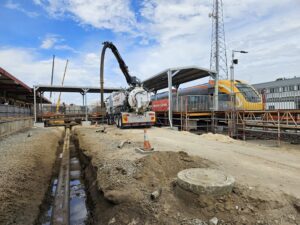
Additionally, developments in established neighbourhoods see significant advantages with this approach. Homes and businesses in densely populated areas appreciate reduced noise and disruption, while ensuring safety and efficiency. Vacuum excavation allows projects to proceed smoothly without compromising on ecological standards, proving its worth time and again.
Many instances in Perth demonstrate how vacuum excavation provides solutions that were once thought to be difficult. Whether it’s accessing tight spaces without invading adjacent properties or managing delicate ecosystems during construction, this technique consistently shows its strengths.
Future Implications and Innovations in Vacuum Excavation
Looking ahead, vacuum excavation is set to evolve with technological advancements that further enhance its environmental benefits. Innovations in equipment are likely to improve precision, making it even easier to avoid unwanted disturbances and reduce energy consumption.
Moreover, as Perth continues to grow, there’s a pressing need for construction methods that align with sustainability goals. Vacuum excavation promises to not only meet these requirements but also enhance them through continuous improvements in technology.
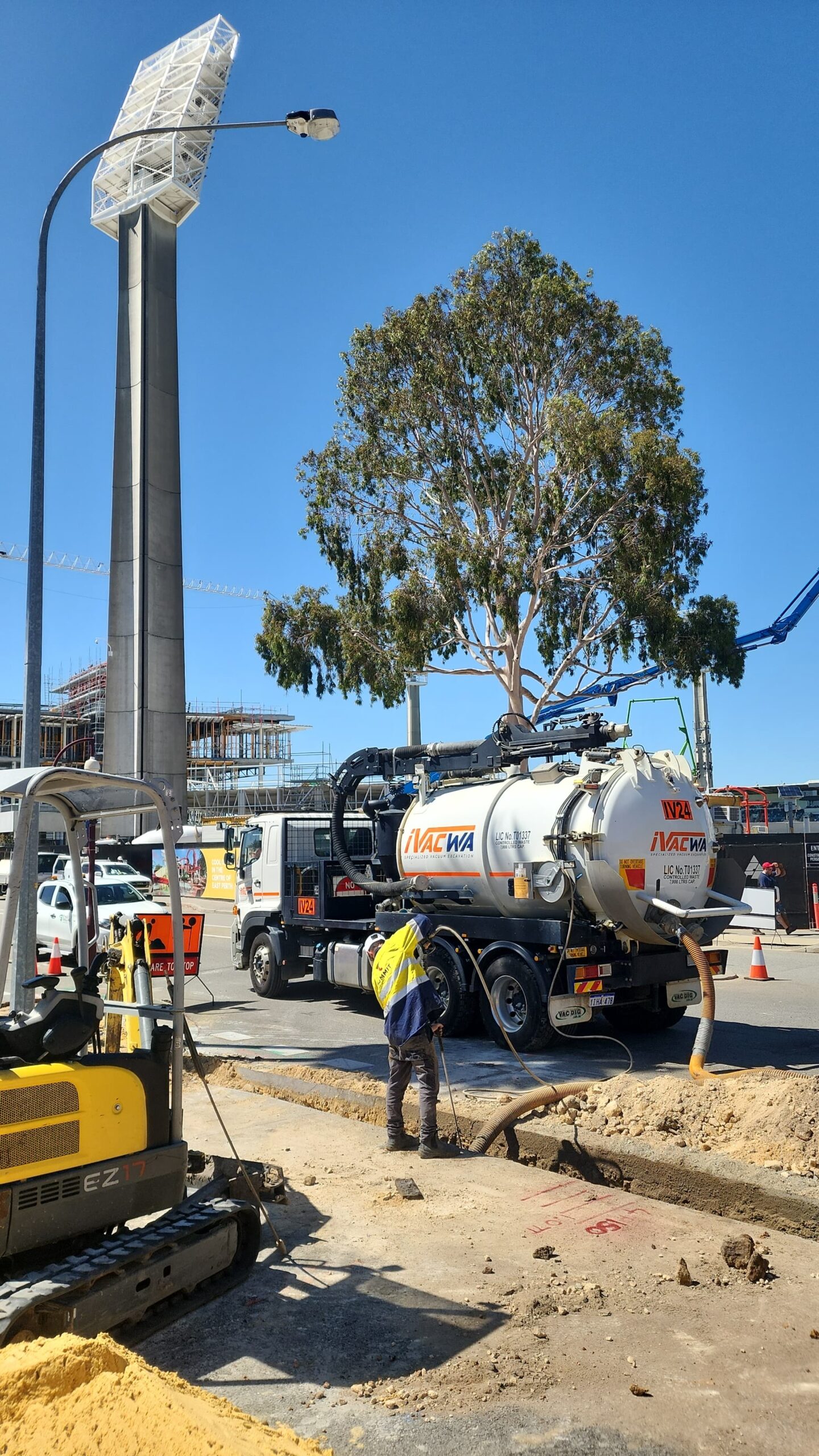
Long-term, this eco-friendly method contributes to healthier urban ecosystems, supporting Perth’s efforts towards sustainable development. By minimising disruption and maximising efficiency, vacuum excavation makes sure that the city can expand responsibly while keeping its natural beauty intact.
Looking for a smarter way to dig that reduces disruption and safeguards the environment? Learn how vacuum excavation can support your next project while protecting Perth’s natural landscape. Trust iVac WA to deliver clean, efficient solutions tailored to your site needs.
Frequently Asked Questions (FAQs)
What is vacuum excavation and how does it benefit the environment?
Vacuum excavation is an innovative, non-destructive digging technique that gently removes soil using a high-powered vacuum and suction technology. It serves as a more eco-friendly option by:
-
Reducing Emissions and Noise: Minimizing the need for heavy digging equipment.
-
Preserving Soil and Habitats: Causing minimal ground disturbance, preserving soil stability, and preventing erosion, which protects surrounding flora and fauna.
-
Precision and Containment: Allowing for surgical precision, only removing the earth that’s necessary, and safely containing extracted materials to reduce contamination risk.
How does vacuum excavation compare to traditional digging methods in terms of environmental impact?
Traditional excavation uses heavy machinery that disturbs wide areas, leading to significant soil erosion, habitat destruction, and higher levels of noise and emissions. Vacuum excavation shifts this dynamic by:
-
Targeted Removal: It works like a fine brush, offering targeted removal that ensures only needed areas are accessed, preserving the natural terrain and crucial underground utilities.
-
Reduced Damage: Unlike traditional methods that may inadvertently damage tree roots or underground structures, vacuum excavation leaves trees and plants largely unharmed.
-
Sustainable Alignment: The reduced footprint aligns seamlessly with sustainable construction practices, especially in urban or ecologically sensitive areas.
What are the practical applications of vacuum excavation on worksites in Perth?
Perth’s environment, known for its unique natural features and urban growth, is an ideal setting for vacuum excavation due to its high sensitivity requirements. Practical applications include:
-
Waterway Protection: Preventing sediment runoff into sensitive areas like the Swan River, which protects aquatic life.
-
Urban and Densely Populated Areas: Reducing noise and disruption for homes and businesses in established neighborhoods.
-
Tight Space Access: Accessing tight spaces without invading adjacent properties, allowing projects to proceed smoothly without compromising on ecological standards or safety.
What is the future outlook for vacuum excavation technology?
The future of vacuum excavation is focused on continuous technological advancements that will further enhance its environmental benefits. Innovations are expected to improve precision and reduce energy consumption. As urban centers like Perth continue to grow, this eco-friendly method is crucial for aligning construction practices with long-term sustainability goals, ensuring that the city can expand responsibly while keeping its natural beauty intact.