
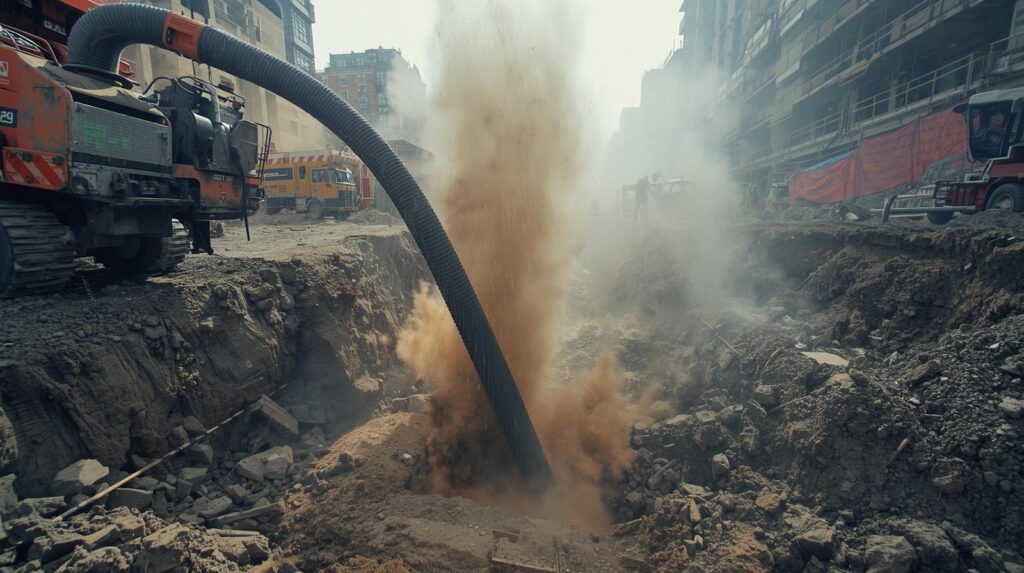
In Perth and across Western Australia, digging near underground assets is no longer something you can afford to get wrong. From ageing utilities and dense urban infrastructure to strict safety and environmental regulations, traditional excavation methods often create more risk than results. This is where vacuum excavation, also known as non-destructive digging (NDD) or hydro excavation, has become the preferred solution.
Vacuum excavation removes soil and material with precision using pressurised water or air and a high‑capacity vacuum system, exposing services without mechanical contact. For civil construction, mining, utilities, government projects, and commercial developments across WA, it delivers safer, cleaner and more efficient excavation — reducing downtime and protecting assets and people.
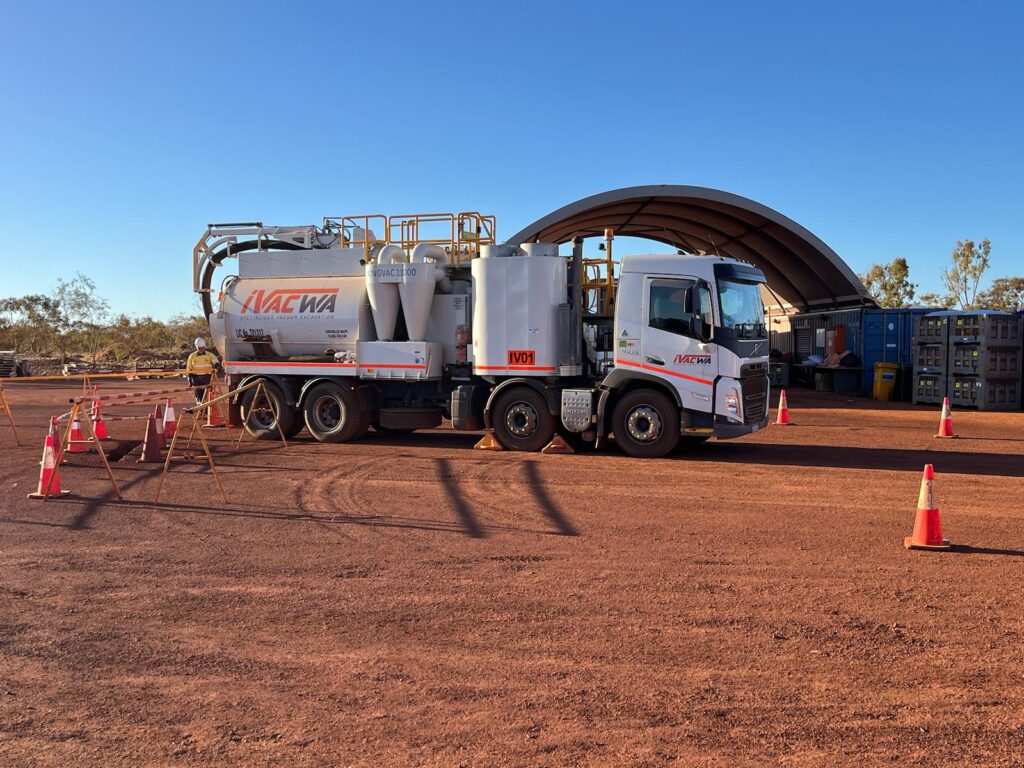
iVac WA provides accredited, safety‑led vacuum services across metropolitan and regional WA. Our modern truck fleet and trained operators support rapid mobilisation for small to large scale projects. Industry uptake of NDD in Australia has risen in recent years — a 2022 utilities safety review noted growing adoption of non‑destructive methods to reduce service strikes and compliance costs.*
This guide explains how vacuum work operates, when to choose hydro vs air methods, typical benefits and costs, and how to engage a qualified contractor.
Need an immediate site assessment or quote? Call iVac WA or request a free on‑site appraisal — we’ll advise the safest approach for your job.
What Is Vacuum Excavation?
Vacuum excavation is a non‑destructive digging method that uses either pressurised air or high-pressure water (hydro excavation) to loosen soil, then extracts the loosened material with a powerful vacuum system into a sealed debris tank for transport and compliant disposal. The process protects underground services by removing surrounding material without mechanical contact.
Unlike mechanical excavation, vacuum excavation:
- Does not rely on metal buckets or blades
- Minimises ground disturbance and reduces reinstatement work
- Allows controlled exposure of underground utilities for accurate verification
- Significantly reduces the risk of strikes or damage to services
Air vs hydro — quick guidance: air‑vacuum is best for light, dry soils and dusty conditions or where water use is restricted; hydro (high‑pressure water) is preferred for compacted, mixed or clayey soils where water efficiently breaks the matrix for safer removal. Typical vacuum truck systems comply with containment standards and use sealed tanks to avoid spill or contamination during transport (refer to manufacturer specs and local EPA guidance).
This vacuum excavation approach is increasingly used across Perth and WA for projects where accuracy, safety and regulatory compliance are critical — from potholing for utility locates to tight urban and industrial work sites.
How Vacuum Excavation Works in Perth
The process is straightforward but highly effective:
Soil Loosening
Pressurised water (hydro excavation) or compressed air is directed through a hand‑operated nozzle to safely break up and fluidise the soil. Typical hydro nozzle pressures used by contractors range from 1,000–3,500 psi depending on soil type; air‑only nozzles use high‑volume, low‑pressure flow to avoid damaging fragile services.
Vacuum Removal
A high‑powered vacuum system then extracts the loosened material (soil, gravel, slurry) through a suction hose into the vehicle’s containment system. Vacuum flow rates typically range from 3,000–6,000 m³/hr depending on truck model, enabling fast removal with minimal site disturbance.
Contained Waste Storage
Excavated material is stored inside the vacuum truck’s sealed debris tank (common capacities 2–12 m³). Tanks and containment systems reduce spill risk and simplify compliant disposal — contractors should follow local EPA guidance for slurry classification and waste transport documentation.
Precise Exposure
Operators expose underground assets incrementally so pipes, cables and conduits are visible for verification without direct mechanical contact. This precision protects services and reduces the likelihood of costly damage or project delays.
Quick comparison (air vs hydro):
| Method | Best for | Pros | Cons |
|---|---|---|---|
| Air vacuum | Light, dry sands; dusty sites; areas restricting water use | Produces dry spoil, easier material handling and disposal, minimal water usage | Less effective in cohesive or clay-heavy soils |
| Hydro (high-pressure water) | Compacted, mixed or clay soils; urban backfill | Breaks soil quickly, provides cleaner utility exposure, highly effective in tough ground conditions | Creates slurry that requires compliant collection and disposal |
Safety note: manage slurry and spoil proactively — use sediment control, containment, and appropriate waste manifests. Confirm equipment specifications (nozzle pressure, vacuum flow, tank capacity) with your provider to match the vacuum excavation method to site conditions.
This controlled process is ideal for Perth’s mixed soil conditions, from sandy coastal ground to compacted urban areas.
Why Vacuum Excavation Is the Preferred Choice in Perth
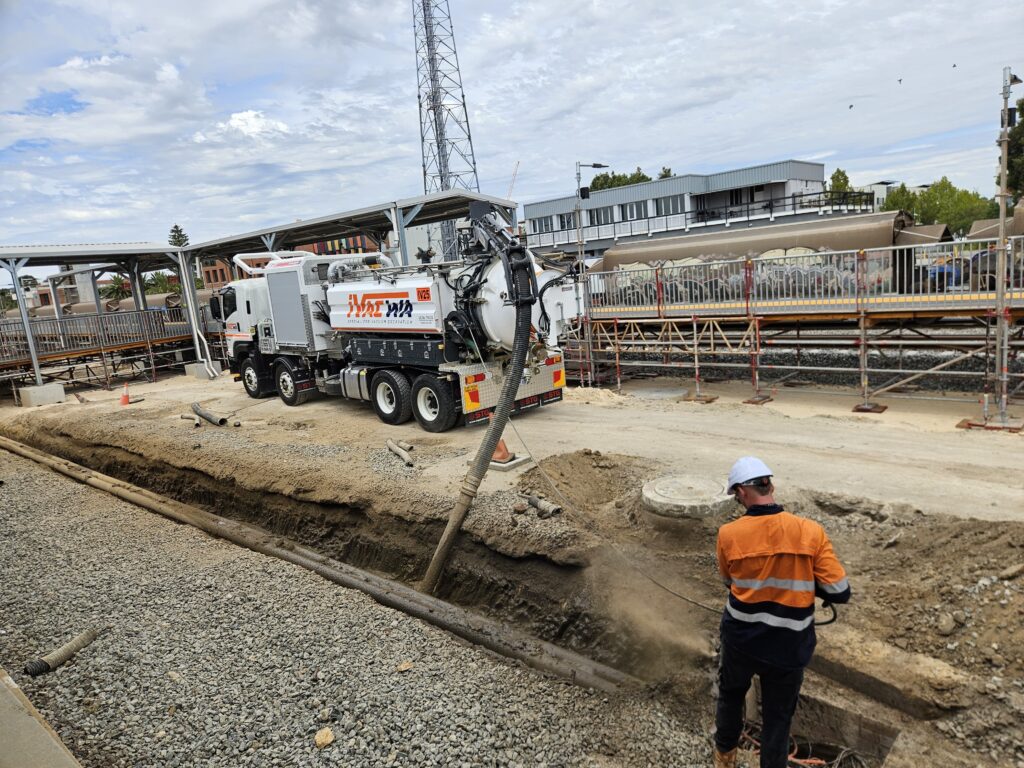
1. Safer Than Traditional Digging
Perth’s underground network — power, gas, water, NBN, sewer and stormwater — is dense and often unpredictable. Mechanical excavation close to these services increases the risk of:
- Utility strikes
- Service outages
- Worker injuries
- Costly repairs
By removing material without metal buckets or blades, vacuum excavation drastically reduces the chance of damaging buried services. Example: on a recent metropolitan potholing job, NDD allowed verification of a cable route without a shutdown, avoiding estimated outage costs and reducing site personnel exposure — a practical safety win for contractors and asset owners.
2. Non-Destructive Digging Protects Underground Assets
Non‑destructive digging exposes utilities gently and visibly, which is essential when:
- Locating services before trenching
- Working near live assets
- Excavating in high‑risk or congested zones
Practical outcome: a Perth CBD developer used hydro excavation to verify sewer alignments under a footpath, preventing an unexpected utility conflict during base works and avoiding a multi‑day delay. That kind of precision reduces claims, shutdowns and reinstatement costs.
3. Faster Project Completion
Vacuum methods often move jobs faster than traditional digging because:
- Less rework is required
- There’s no need for slow, manual hand‑digging immediately adjacent to utilities
- Cleanup time is reduced — spoil is contained in the truck’s tank
- Fewer safety incidents interrupt work
Cost impact: time savings translate into lower overall costs on many projects. For example, a suburban trenching verification that would have required two shifts of hand digging was completed in a single mobilisation with vacuum equipment, reducing labour and traffic management costs. Actual savings depend on site access, soil type and disposal needs — ask your provider for a tailored estimate.
4. Environmentally Responsible Excavation
Vacuum excavation supports sustainable construction by:
- Minimising soil disruption
- Reducing dust and runoff
- Preventing contamination spread
- Supporting EPA compliance
In sensitive sites — heritage areas, waterways or tight urban environments — the reduced surface disturbance and contained vacuum spoil make NDD the environmentally responsible option. Contractors should still follow local EPA guidance on excavation waste classification and disposal to ensure full compliance.
Vacuum Excavation vs Traditional Digging
| Feature | Vacuum Excavation | Traditional Excavation |
|---|---|---|
| Risk to utilities | Very low | High |
| Precision | Extremely high | Limited |
| Site disruption | Minimal | Significant |
| Safety | Superior | Higher injury risk |
| Environmental impact | Low | Moderate to high |
Table note: The table summarises typical outcomes for common projects; results vary with site conditions, equipment and operator practice. Sources: industry equipment specifications and WA regulatory guidance on excavation and spoil management.
| Task | Vacuum Excavation — typical time | Traditional Digging — typical time | Relative costs |
|---|---|---|---|
| Potholing / service verification | 2–6 hours (single mobilisation) | 1–3 days (including hand digging and reinstatement) | Vacuum: moderate; Traditional: often higher once downtime and traffic management are included |
| Trenching close to live utilities | Same-day exposure for verification | Multi-day process with extensive hand digging | Vacuum: cost varies by access and disposal; Traditional: higher labour and reinstatement costs |
Practical example: on a CBD footpath project, minimal surface disruption from a vacuum truck saved multiple days of traffic management and reduced overall excavation damage risk, improving programme certainty.
For modern Perth projects, vacuum excavation is no longer an upgrade — it’s the standard for safe, precision digging where utilities and surface assets must be protected. When assessing bids, request equipment specs (tank size, vacuum flow), debris handling procedures and waste disposal plans to compare true costs.
Applications of Vacuum Excavation in Perth & WA
Vacuum excavation is used across multiple industries and project types where accuracy, safety and minimal surface impact are required.
Civil & Infrastructure Projects
- Potholing and service verification — quick, accurate exposure of assets to confirm depth and alignment before major works.
- Trenching near live utilities — safe, controlled excavation to work adjacent to power, gas or communications.
- Road, rail and footpath works — minimal surface disruption reduces traffic management time and reinstatement.
- Stormwater and drainage exposure — precise uncovering of drains and culverts for repair or inspection.
Mini case: a local council project used vacuum excavation for potholing to verify a stormwater main under a footpath, avoiding a 3‑day lane closure and cutting program delay.
Construction & Development
- Site preparation — safe removal of material around unknown services during early works.
- Foundation and footing work — precise exposure to confirm subsoil conditions and avoid asset damage.
- Utility installation and upgrades — clean trenches and verified tie‑ins for new services.
- Tight‑access urban projects — compact vacuum trucks and non‑destructive digging enable work in constrained sites.
Mini case: a CBD apartment development used hydro excavation to locate and protect an aged communications conduit during piling works, preventing a critical service strike.
Mining & Industrial Sites
- Exposing buried services — safely expose plant utilities and buried infrastructure in operational yards.
- Safe excavation in hazardous zones — reduce ignition risk by avoiding mechanical contact in fuel or chemical areas.
- Maintenance shutdown support — rapid exposure and recovery during limited shutdown windows.
- Environmental compliance excavation — contain and manage contaminated spoil for legal disposal.
Mini case: at a regional processing plant, vacuum excavation supported a scheduled shutdown by exposing feed lines quickly and safely, reducing downtime and labour exposure.
Government & Defence Projects
- Secure site excavation — controlled methods for sensitive or secured compounds.
- Heritage and protected area works — minimal ground disturbance around archaeological or heritage features.
- Critical infrastructure exposure — verification of essential services with documented evidence for audits.
- High‑compliance environments — documented waste handling and environmental controls to meet strict procurement conditions.
Residential & Commercial Projects
- Sewer and water line exposure — safe access to household services with minimal property impact.
- Drain and soakwell access — remove blockages or expose features without damaging landscaping.
- Minimal‑impact excavation — preserve driveways, gardens and paved surfaces during works.
- Property‑safe digging — reduce the risk of service strikes in suburban renovations and upgrades.
Industry use summary table:
| Application | Typical task | Recommended method | Typical truck size | Example outcome |
|---|---|---|---|---|
| Civil potholing | Service verification | Air or hydro (depending on soil conditions) | 2–6 m³ tank | Verified service depth and alignment with reduced project delays |
| Urban trenching | Trenching near live utilities | Hydro excavation | 6–12 m³ tank | Safe utility exposure with minimal reinstatement required |
| Mining shutdowns | Exposing buried plant lines | Air or hydro (safety-led selection) | 6–12 m³ or larger | Rapid exposure completed within short shutdown windows |
| Residential repairs | Sewer or water line access | Air vacuum for dry soils; hydro for compacted ground | 2–6 m³ tank | Minimal property disturbance and faster repair turnaround |
Where relevant, ensure compliance with sector‑specific requirements (rail or defence sites may require additional permits and inductions). For exact methods and truck selection, consult your vacuum excavation contractor with site photos and the proposed scope of work.
Hydro Excavation: Ideal for Perth Soil Conditions
Hydro excavation uses pressurised water to safely break up soil so it can be vacuumed away. This high-pressure water approach is particularly effective in Perth because local conditions often include:
- Sandy and loose coastal soils that fluidise easily with water
- Compacted urban ground and engineered backfill that requires water to break up cohesions
- Mixed soil layers (sand over clay or fill) where water helps separate strata for cleaner exposure
- Seasonal moisture variations — hydro techniques can be adjusted to suit drier or wetter conditions
Guidance for choosing hydro vs air: use hydro (pressures commonly 1,000–3,500 psi) for compacted, clayey or mixed soils and when faster cut rates are needed; choose air‑vacuum for very loose, dry sands or where water use is restricted. Hydro vacuum excavation produces slurry that requires managed disposal but delivers cleaner, more precise exposure of utilities and structures in challenging Perth soils.
Operator note: confirm nozzle pressure and technique with your contractor based on site photos and a short pre‑site assessment to match the equipment to the soil and access conditions.
Non-Destructive Digging in Tight & Sensitive Areas
Perth’s urban growth has created work sites where traditional open-cut methods are impractical or unacceptable. Common constraints include:
- Congested underground services in CBD and older suburbs
- Limited access worksites with narrow lanes or restricted laydown areas
- Heritage-listed areas where ground disturbance must be minimised
- Active commercial zones with minimal tolerance for long closures
Non‑destructive digging enables controlled excavation in locations that would otherwise be difficult or costly to manage. Typical site types where NDD is the preferred approach include:
- Narrow corridors and easements where machinery footprint is constrained
- Traffic‑controlled areas where rapid, low‑impact works reduce lane closures
- Active facilities and operational sites where plant uptime is critical
- Environmentally protected zones requiring minimal surface disturbance
Site access checklist (quick): truck dimensions and turning circle, preferred truck tank size, spoil containment plan, traffic management requirements, expected stand‑off from sensitive features, and permit or induction needs. Providing photos and a brief site plan to your contractor speeds accurate quoting and ensures the chosen vacuum excavation approach is the right way to protect surface assets and minimise reinstatement.
How Vacuum Excavation Improves Worker Safety
Safety is a major reason vacuum excavation is now the preferred method across WA. By removing the need for direct mechanical contact with underground services and reducing time spent hand‑digging, NDD lowers exposure to common excavation hazards.
It reduces:
- Manual digging injuries — fewer workers need to enter the excavation zone
- Struck service incidents — controlled exposure prevents inadvertent contact with cables and pipes
- Trench collapses — smaller, precise excavations reduce unsupported trenches and shoring needs
- Exposure to hazardous materials — sealed tanks and immediate containment limit worker contact with contaminated spoil
Recommended PPE and competency: operators should hold relevant tickets (e.g., high‑risk work licences where applicable), have confined‑space awareness and traffic management training, and use PPE including hi‑vis, eye and hearing protection, gloves and dust/mist protection when hydro methods are used.
Client safety checklist to request from your supplier: evidence of operator training, vehicle inspection records, equipment specifications, emergency procedures, and a documented work plan showing risk controls for site conditions. These items help ensure labour and site conditions remain safe throughout the job.
Vacuum Excavation and Utility Locating
Vacuum excavation is a proven verification tool in the utility‑locating workflow because it provides visual confirmation where survey or electronic methods alone can be uncertain.
Vacuum excavation plays a critical role in:
- Identifying underground utilities accurately on site
- Verifying service depth and alignment for safe design and construction
- Preventing mislocation errors that cause strikes and rework
- Supporting accurate construction planning with documented evidence
Typical workflow: non‑intrusive surveying (GPR) → electromagnetic or induction locators → vacuum potholing for positive verification. A proper utility verification report should include measured depth, alignment, clear photos, GPS coordinates, tank/disposal notes and operator sign‑off. Using vacuum excavation for potholing reduces ambiguity, increases precision and helps avoid costly utility strikes during major works.
Environmental & Regulatory Compliance in WA
WA projects commonly operate under strict environmental and safety requirements. Vacuum excavation supports compliance by reducing the risk of contamination and enabling controlled spoil handling.
- Reducing contamination risks — sealed recovery and immediate containment limit spread of potentially contaminated material
- Supporting clean spoil management — separated dry spoil or classified slurry is easier to test, transport and dispose of correctly
- Preventing environmental damage — minimal surface disturbance reduces erosion, runoff and harm to nearby sensitive areas
- Aligning with EPA guidelines — documented handling, testing and disposal helps meet WA environmental requirements for construction and remediation works
Practical compliance steps (verbal flowchart): test excavated material → classify spoil (clean, contaminated, hazardous) → select approved treatment or disposal facility → complete waste manifests and keep photographic and GPS records. Contractors should provide documentation including spoil test results, waste transfer dockets, vehicle logs and photos of the debris tank at loadout to demonstrate compliant disposal.
Note on costs: proper classification and disposal add to project expense but avoid larger regulatory penalties or remediation costs from improper handling. Always confirm local EPA and council requirements for your site prior to work to reduce the risk of environmental damage and unexpected cost.
Why iVac WA Is Trusted for Vacuum Excavation in Perth
iVac WA delivers professional vacuum excavation services across Perth and regional WA with a focus on safety, equipment reliability and regulatory compliance.

- Safety‑first operations — documented procedures, job hazard analyses and strict permit controls
- Modern vacuum truck fleets — a range of units (2–12 m³ debris tanks) to suit tight urban jobs through to larger industrial and mine site work
- Highly trained operators — operators with competency tickets, confined‑space awareness and traffic management accreditation
- Fast response times and reliable mobilisation across metro and regional locations
- EPA and industry compliance — documented maintenance, waste handling procedures and site reporting to meet procurement and regulatory expectations
What to expect when you engage iVac WA: a brief site appraisal, equipment recommendation (truck size and method), a written work plan with safety controls, and post‑work reporting including photos and spoil disposal dockets. Our fleet and truck maintenance records are available on request to demonstrate ongoing equipment care and readiness for your project.
Areas We Service Across Perth & WA
Vacuum excavation services are available throughout metropolitan, regional and remote Western Australia, tailored to suit project complexity and access constraints.
- Perth metro area — rapid mobilisation for CBD and suburban works
- Industrial zones — scheduled access and night works where required
- Mining regions — regional mobilisation with site inductions and extended logistics
- Commercial developments — coordinated works to reduce business disruption
- Government and defence sites — compliance with security and procurement requirements
Typical mobilisation times: Perth metro (same‑day to 48 hours), nearby regional centres (1–3 days), remote mining sites (dependent on permits and access — allow 3–7+ days). For remote projects we coordinate truck selection, fuel and maintenance planning to suit the vacuum equipment required and ground conditions. Contact us with site photos and coordinates for a tailored mobilisation estimate.
When Should You Use Vacuum Excavation?
Vacuum excavation is the right choice when:
- Digging near underground services
- Accuracy is critical
- Site access is limited
- Environmental impact must be minimised
- Safety and compliance are priorities
Decision guidance — quick rule of thumb:
- If the soil is compacted, mixed or clayey → choose hydro (high‑pressure water) for faster, cleaner cutting.
- If the ground is very loose, dry sand or water use is restricted → choose air‑vacuum to reduce slurry and simplify disposal.
- If working near heritage, active commercial or sensitive environmental sites → confirm permits and choose the smallest suitable truck to limit surface impact.
Ask your contractor for this checklist before you hire: recommended method (hydro or air), truck/tank size, expected mobilisation time, spoil handling and disposal plan, safety competencies and site‑specific risk controls. These items ensure precision excavation that suits your site conditions and project requirements.
The Future of Excavation in WA
As Perth grows and its underground networks become more congested, vacuum methods will be central to protecting services, improving sustainability and lifting site safety and efficiency.
- Utility protection — precise exposure reduces accidental strikes and long‑term asset damage.
- Sustainable construction — reduced reinstatement, lower dust and controlled spoil handling support greener projects.
- Worker safety — fewer personnel in hazardous zones and less hand‑digging lowers incident rates.
- Project efficiency — faster verification and less rework improve programme certainty and reduce overall costs.
Technology trends to watch: remote monitoring and telemetry on vacuum trucks (payload and vacuum flow tracking), integrated site sensors for safer operations, and digital job reporting (GPS‑tagged photos, electronic waste dockets) that improve traceability and compliance. These advances make the vacuum approach not just safer but smarter — enabling data‑driven decisions about equipment selection, material handling and workforce deployment.
Get Professional Vacuum Excavation in Perth
If you’re planning excavation works in Perth or anywhere in WA, vacuum excavation delivers the precision, safety and reliability modern projects demand — from small residential repairs to large civil and mine‑site projects.
iVac WA provides professional vacuum excavation, non‑destructive digging and hydro excavation services tailored to your scope, ground conditions and compliance needs. We offer transparent costing, documented waste handling and fleet options to match tight access or heavy‑duty work.
Why choose us:
- Clearer outcomes — reduced risk of utility strikes and less surface reinstatement
- Faster verification — minimise downtime and avoid extended traffic management
- Compliance and traceability — photographic job reports, GPS‑tagged evidence and disposal dockets for every job
- Right‑sized equipment — from compact trucks for narrow access to large tank units for industrial work
How to engage (3 simple steps):
- Contact us with a brief site description, photos and coordinates (phone or email).
- Receive a site appraisal and recommended method (air or hydro), truck size and a written quote including expected costs and spoil disposal approach.
- Schedule mobilisation — we provide a safety and work plan, then deliver the job with post‑work reporting and waste dockets.
Quick FAQ (high‑value questions):
How much does vacuum excavation cost?
Costs vary by access, soil type, truck size and disposal needs; we provide tailored quotes. Vacuum methods often deliver lower total cost when you factor reduced labour, traffic management and reinstatement.
Do you handle spoil and slurry disposal?
Yes — we use sealed debris tanks and follow WA EPA guidance for classification and disposal. Disposal dockets are supplied with each job.
What truck sizes do you operate?
We operate a range of units (compact to large‑capacity vacuum trucks) and recommend the appropriate truck for site ground conditions and access constraints.
Want a fast on‑site appraisal or a quote for your next excavation task? Contact iVac WA today — we’ll advise the safest, most cost‑effective product and approach for your job and provide up‑to‑date information on availability and any relevant site‑specific news.