
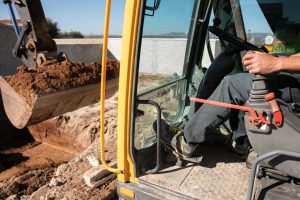
Vacuum excavation vehicles play a crucial role in delivering safe and efficient non-destructive digging services. However, their effectiveness depends not only on their excavation capabilities but also on their ability to navigate challenging worksite conditions and maintain stable mobility. Traction control systems installed on these vehicles are essential for enhanced site mobility, safety, and overall project success.
In this article, we will delve into the importance of traction control systems for vacuum excavation vehicles and explore how they work to ensure optimal functionality during excavation projects. We will also discuss the advantages these systems provide and why leading vacuum excavation specialists in Perth invest in advanced traction control technology to stay ahead in the industry. Achieving maximum site mobility and performance has never been easier with the expert guidance of Perth’s top vacuum excavation professionals.
Traction Control Systems: A Crucial Component for Vacuum Excavation Vehicles
Traction control systems (TCS) are advanced technology solutions designed to prevent wheel slippage, enhance vehicle stability and improve steering capabilities in various driving conditions. These systems are particularly vital for vacuum excavation vehicles that operate in construction sites where navigating uneven terrain, muddy or slippery surfaces is often a challenge. By investing in advanced traction control systems, vacuum excavation specialists can boost their vehicle’s mobility, safety, and overall performance.
How Traction Control Systems Work
Traction control systems monitor the speed and rotation of each wheel through sensors. When the system detects any wheel slipping, it responds by applying brakes to the affected wheel, reducing engine power or modulating torque distribution. This prevents the wheel from losing contact with the ground, ensuring better control and stability.
There are three primary types of traction control systems used in vacuum excavation vehicles:
- Braking-Based Systems: When a wheel starts to slip, the TCS applies brakes to the specific wheel to restore traction. This helps maintain vehicle stability even on difficult terrain.
- Engine-Based Systems: Upon detecting wheel slippage, the TCS adjusts the engine output by reducing its power to maintain optimal wheel grip.
- Torque-Vectoring Systems: By modulating the torque distribution between wheels, the TCS ensures even power delivery, adequate traction, and improved steering response.
Advantages of Traction Control Systems for Vacuum Excavation Vehicles
Implementing traction control systems in vacuum excavation vehicles offers a multitude of advantages, including but not limited to:
1. Improved Site Navigation
Robust traction control systems enable vacuum excavation vehicles to navigate challenging terrain with ease, including steep inclines, uneven surfaces and slippery conditions. This improved mobility ensures efficient and prompt completion of excavation tasks with minimal delays.
2. Enhanced Operator Safety
Traction control systems offer better control and stability in various driving conditions, reducing the risk of vehicle rollovers or skids. This results in a safer working environment for operators, alleviating the chances of accidents and injuries.
3. Increased Productivity
By minimising the downtime caused by difficult site conditions, traction control systems boost overall productivity. Vacuum excavation projects can be executed more efficiently, allowing operators to focus on the core tasks at hand.
4. Lower Maintenance Costs
Improved traction control reduces the wear and tear on the vehicle’s drivetrain and other components. This translates to lower maintenance costs and prolonged vehicle life, ultimately reducing overall operational expenses.
Upgrading Traction Control Systems for A Competitive Edge
Vacuum excavation service providers must invest in upgrading their vehicle’s traction control systems to stay ahead in the industry. Some essential enhancements include:
1. Adaptive Suspension
An adaptive suspension system adjusts the vehicle’s shock absorbers to accommodate varying terrain and driving conditions. This upgrade offers several benefits, such as increased vehicle stability, customised ride comfort, and improved manoeuvrability that complement the traction control system.
2. Variable Traction Control Settings
Incorporating variable traction control settings allows operators to tailor the traction control system to specific situations and driving conditions. This customisable option ensures optimal site mobility, regardless of terrain or weather.
3. Self-Diagnostics and Monitoring Systems
Integrating self-diagnostics and monitoring systems can identify potential issues within the traction control system and alert operators before a significant problem arises. Regular system monitoring and maintenance can extend the life of the traction control system and ensure efficient operation.
4. Training and Best Practices for TCS Usage
Proper training and adherence to best practices by vacuum excavation vehicle operators are crucial to maximise the benefits of traction control systems. Key points to consider include:
5. Understanding TCS Functionality
Operators should have a comprehensive understanding of how the traction control system works, its limitations, and capabilities. By knowing the features and characteristics of their vehicle’s traction control system, operators can use it more effectively.
6. Regular System Maintenance and Checks
Performing routine system checks and maintenance are essential to ensure the traction control system functions optimally. Addressing any issues or faults promptly helps maintain vehicle performance and prevents potential complications or delays in excavation projects.
7. Safe Driving Techniques
Even with advanced traction control systems, vacuum excavation vehicle operators must adhere to safe driving techniques for site and road conditions. This includes adjusting speed, maintaining a safe following distance, and focusing on smooth acceleration, braking, and steering.
Experience Unrivalled Site Mobility with Perth’s Vacuum Excavation Specialists
Traction control systems are paramount in enhancing the performance, mobility and safety of vacuum excavation vehicles. By understanding these systems, their advantages and the importance of staying up-to-date with the latest technology, you ensure your non-destructive digging projects are executed with precision and efficiency.
As Perth’s leading vacuum excavation specialists, our commitment to maintaining advanced traction control systems on our vehicles ensures we consistently deliver safe, efficient, and reliable non-destructive digging services. Our expert team is well-equipped to handle diverse site conditions and project requirements.
Don’t settle for less when it comes to your vacuum excavation needs – contact Perth’s top vacuum excavation professionals at iVac WA today and experience unmatched site mobility, performance and success in your excavation projects.