
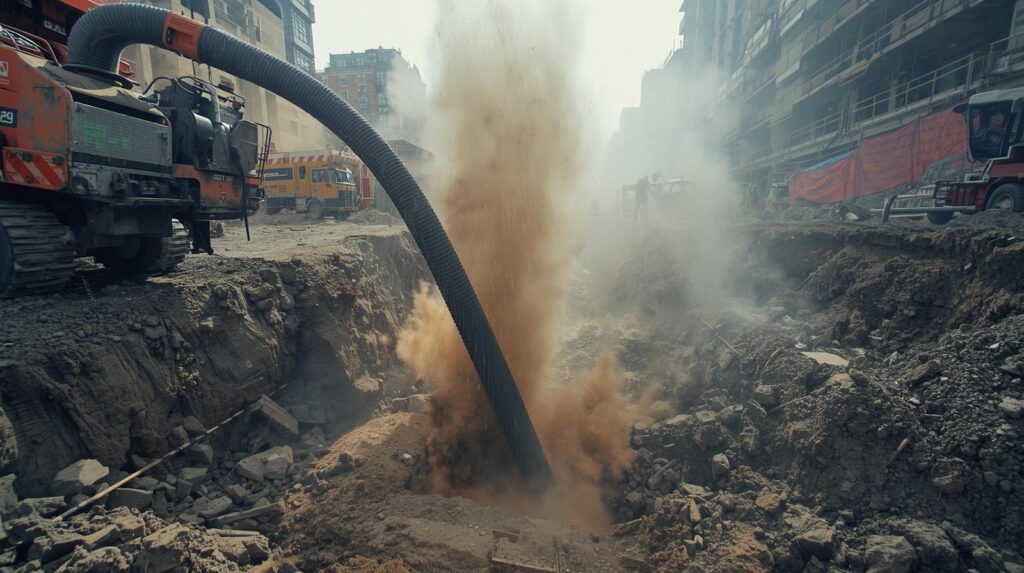
Soil testing, contaminant assessment, and land restoration are essential processes in modern construction, environmental management, and land development projects. In a growing urban and industrial region like Perth, these services help ensure that land is safe, compliant, and suitable for its intended use.
This guide explains what soil testing involves, why contaminant assessment is important, and how restoration works, along with how these processes contribute to safer and more sustainable projects.
What is Soil Testing?
Soil testing is the process of analyzing soil samples to determine their physical, chemical, and biological properties. It helps identify whether the soil is suitable for construction, agriculture, or redevelopment.
Key aspects of soil testing include:
- Soil composition and structure
- Moisture content and density
- pH levels and salinity
- Presence of contaminants or pollutants
In Perth, soil conditions can vary significantly depending on location, making soil testing a crucial first step before any excavation or development activity.
Importance of Contaminant Assessment
Contaminant assessment focuses on identifying harmful substances that may exist in the soil due to past industrial activities, spills, waste disposal, or natural causes.
Common contaminants found in Perth sites may include:
- Petroleum hydrocarbons
- Heavy metals such as lead or arsenic
- Asbestos materials
- Industrial solvents and chemicals
Understanding contamination levels helps determine whether a site is safe for use or requires remediation. It also ensures compliance with environmental standards and reduces potential health risks.
Why Soil Testing is Necessary Before Development
Soil testing and contaminant assessment are typically conducted before starting construction or land development projects. This helps in:
- Identifying hidden risks underground
- Avoiding structural issues caused by unsuitable soil
- Preventing exposure to hazardous materials
- Meeting environmental and regulatory requirements
- Planning appropriate foundation and engineering designs
Without proper assessment, projects may face delays, unexpected costs, or compliance issues.
Soil Sampling and Testing Process
The soil testing process generally follows a structured approach:
1. Site Inspection
A preliminary site visit is conducted to understand the location, history, and potential risk factors.
2. Soil Sampling
Samples are collected from various depths and locations across the site to ensure accurate representation.
3. Laboratory Analysis
The collected samples are sent to accredited laboratories for detailed testing of contaminants and soil properties.
4. Data Interpretation
Results are analyzed against environmental guidelines to determine whether contamination levels are acceptable.
5. Reporting
A comprehensive report is prepared, outlining findings, risks, and recommended actions if necessary.
Understanding Soil Contamination Risks
Soil contamination can occur due to several factors such as industrial activity, fuel leaks, improper waste disposal, or historical land use.
Potential risks include:
- Environmental damage to surrounding areas
- Health hazards to workers and nearby communities
- Groundwater contamination
- Restrictions on land use and development
Early detection through contaminant assessment helps mitigate these risks effectively.
Soil Restoration and Remediation Explained
When contamination is detected, soil restoration or remediation is required to make the land safe and usable again.
Common remediation methods include:
- Excavation and removal: Contaminated soil is removed and disposed of safely
- Soil treatment: Chemical or physical processes are used to neutralize pollutants
- Bioremediation: Natural microorganisms are used to break down contaminants
- Containment: Contaminants are isolated to prevent spread
The choice of method depends on the type of contamination, site conditions, and project requirements.
A practical guide to identifying underground utilities in Perth covers the importance of locating hidden services before excavation to prevent damage, ensure worker safety, and maintain project compliance.
Role of Environmental Compliance
In Western Australia, environmental regulations require proper management of contaminated land. Soil testing and assessment reports are often necessary to:
- Obtain development approvals
- Ensure safe construction practices
- Comply with environmental protection guidelines
- Support land certification and reporting
Following proper procedures helps avoid legal issues and ensures responsible land use.
Before you break ground on any Western Australian infrastructure project, it is essential to understand why non-destructive digging (NDD) is the most efficient method for protecting sensitive underground assets.
Industries That Rely on Soil Testing
Soil testing and contaminant assessment are used across multiple industries, including:
- Construction and infrastructure development
- Property and real estate projects
- Mining and resource sectors
- Government and public works
- Industrial site redevelopment
- Agricultural land management
Each industry relies on accurate soil data to make informed decisions and maintain safety standards.
A comprehensive guide to emergency spill clean-up and EPA services in Perth explains how rapid response, proper containment, and safe handling of hazardous materials are critical to minimizing environmental damage and ensuring compliance with local regulations.
Benefits of Professional Soil Testing Services
Working with experienced professionals provides several advantages:
- Accurate and reliable test results
- Compliance with environmental standards
- Reduced project risks and uncertainties
- Clear reporting and recommendations
- Better planning for construction or remediation
Professional services ensure that testing and assessment are conducted using proper methods and industry best practices.
From urban slot trenching to deep potholing, our latest guide explains how advanced suction excavation technology is revolutionising the way we manage civil construction across WA.
Conclusion
Soil testing, contaminant assessment, and restoration are essential components of responsible land development in Perth. These processes help identify risks, ensure compliance, and support safe and sustainable project execution.
By understanding soil conditions before beginning any work, developers and property owners can avoid costly issues and contribute to environmentally responsible land use across Perth.