
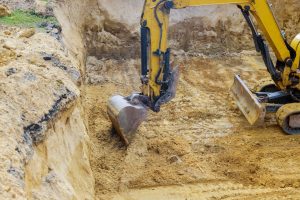
When it comes to commercial construction, we all want the same thing: a project that runs smoothly and finishes on time. But hidden challenges can slow us down or even stop our work altogether. Imagine hitting a hidden water pipe or electrical cable during construction. This can cause huge problems, not just by damaging these utilities but also by delaying the project and increasing costs.
This is where we come in with our vacuum excavation technology. Our method is all about being careful and precise. We use advanced tools to remove soil and uncover utilities without the risk of damaging them. It’s like having a super careful and precise set of hands that can dig without causing harm. By choosing vacuum excavation, we help ensure that construction projects go as planned, without any unpleasant surprises that could disrupt the work and cause expensive damage.
Our focus is always on providing solutions that are safe, efficient, and mindful of the project’s demands. With our specialised services, we handle the groundwork for commercial operations of any size, ensuring minimal interruption and keeping everything on track. Stay with us as we dive deeper into how vacuum excavation prevents utility strikes and contributes significantly to maintaining continuous business operations, aligning with environmental responsibilities.
Understanding the Risks of Utility Strikes in Commercial Construction
In commercial construction, striking a utility line can be more than just a minor setback. It can lead to severe safety hazards, costly delays, and potential legal troubles. Every year, numerous construction projects face unexpected interruptions because utility lines are accidentally damaged. These lines include everything from electricity and gas to water and telecommunications. Hitting any one of these can not only halt construction but also pose serious risks to workers and the public.
The consequences of such strikes are not limited to immediate physical damage. They can lead to significant financial losses due to project delays, fines, and repair costs. Moreover, the reputation of a construction company can suffer, potentially leading to loss of future business. This is why understanding and managing the risks of utility strikes is pivotal for every project we undertake. We prioritise identifying potential underground hazards before they can become a problem.
How Vacuum Excavation Works to Prevent Damage
Vacuum excavation is a game-changer in avoiding the risks associated with utility strikes. This innovative method uses high-pressure air or water to break up soil, which is then extracted by a powerful vacuum system into a debris tank. This process allows us to expose buried utilities without direct contact, significantly reducing the risk of damaging them.
Unlike traditional mechanical digging methods, vacuum excavation offers precision and control. This preciseness ensures that only the necessary amount of soil is disturbed, preserving the stability and integrity of the surrounding area. It’s particularly useful in congested areas, where traditional equipment may be too bulky or invasive. By employing this technique, we safeguard underground utilities and maintain the speed and efficiency of the construction process. This method keeps the project on track and protects our team from potential hazards associated with accidental utility strikes.
The Role of Vacuum Excavation in Ensuring Business Continuity
Maintaining uninterrupted business operations during construction or maintenance works is a major challenge. Vacuum excavation is critical in ensuring that commercial activities can continue seamlessly. By using this technique, we minimise the risk of unexpected interruptions caused by utility strikes, which can lead to costly downtimes and disrupt business operations. Vacuum excavation’s precision ensures that the digging process doesn’t negatively affect the surrounding site, keeping existing utilities intact and operational.
Furthermore, the reliability of vacuum excavation means that project timelines are adhered to more strictly, preventing delays. This certainty allows businesses to plan their operations without the fear of unexpected halts. Consistency in project completion boosts client confidence and enhances our credibility and reputation in the commercial sector. By ensuring that no damage occurs during excavation, we reinforce the stability of ongoing business activities, making our method a trusted choice for businesses concerned with continuity and safety.
Aligning Vacuum Excavation with Environmental Responsibility in Construction
In today’s climate-aware world, construction practices are increasingly evaluated on their environmental impact. Vacuum excavation stands out as a method that aligns well with the principles of sustainable construction. This technique significantly reduces the disruption to the soil and lowers the risk of contaminating local ecosystems compared to traditional excavation methods. By limiting the disturbance to the earth, we help preserve the natural habitat and reduce the construction footprint.
Moreover, vacuum excavation supports the containment of potentially harmful materials. During the excavation, all debris is contained immediately, preventing it from becoming airborne or leaching into the soil and water systems. This proactive approach to managing waste and pollutants underscores our commitment to environmental stewardship. By integrating vacuum excavation into our projects, we comply with stringent environmental regulations and contribute positively to building greener construction practices.
Conclusion
At iVac WA, we are dedicated to advancing construction and excavation methods that meet the high standards of today’s commercial and environmental demands. Our adoption of vacuum excavation technology reflects our commitment to innovation, safety, and sustainability. It’s an approach that protects underground utilities and ensures minimal disruption to business operations and less impact on the environment. Choose iVac WA for your next project and experience the difference that a focus on precision, safety, and environmental responsibility can make. Let’s set new standards in the construction industry together with every site we dig and every challenge we overcome.