
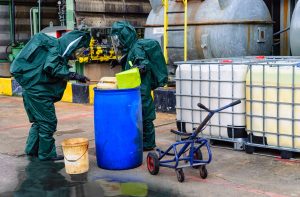
Dealing with an emergency spill can be stressful and hazardous. Whether it’s a diesel spill or any other hazardous material, such incidents require quick action to prevent further damage. Emergency spills not only pose a risk to the environment but also threaten public health and safety, making a swift response crucial.
In Perth, managing such spills effectively begins with understanding what constitutes an emergency spill and knowing the right steps to take when one occurs. Being prepared and informed is key to mitigating risks and ensuring safety for everyone involved. Professional assistance plays a significant role in ensuring these situations are handled efficiently and in compliance with environmental guidelines.
With the right knowledge and resources, responding to emergency spills can be effective and less daunting, minimising potential impacts on both the environment and the community.
Understanding Emergency Spills
An emergency spill involves the sudden release of a substance that can pose immediate risks to health, property, or the environment. In Perth, these spills often involve materials like diesel, oil, and other hazardous chemicals used in industrial and commercial activities. The diverse range of spills can lead to contamination of land and water, posing significant hazards to ecosystems and public health. These incidents can disrupt daily life, endanger wildlife, and damage natural resources critical to Perth’s environment.
The dangers associated with spills vary depending on the substances involved. Diesel and oil spills, for example, can create slippery conditions, increase fire hazards, and release toxic vapours into the air. Exposure to these substances can cause harm to humans, including respiratory issues and skin irritation. Environmental impacts are also substantial; spills can lead to soil degradation, water pollution, and harm to aquatic life.
Swift response is crucial in mitigating the risks associated with emergency spills. Delays in addressing a spill can escalate the situation, making clean-up more complex and expensive. Quick containment and remediation efforts help minimise environmental damage and health risks, protecting the community and promoting public safety. Proactive risk management is therefore essential to safeguard the environment and uphold safety standards in Perth.
Steps to Take Immediately
When an emergency spill occurs, acting quickly to ensure safety is paramount. The first step is to assess the situation and determine the immediate risks. Identify the type of substance involved and the extent of the spill. If necessary, prioritise evacuating the area to protect people from potential hazards.
Next, notify the relevant authorities and stakeholders as soon as possible. This includes contacting the Environmental Protection Authority (EPA) to ensure compliance with local guidelines. Prompt notification allows for quicker access to resources and specialised assistance.
Implement safety measures to contain the spill and prevent further spread. These measures could include using absorbent materials to soak up spilled liquids, erecting barriers to block the flow, and deploying equipment to prevent the spill from reaching water sources. Personal protective equipment (PPE), such as gloves and masks, should be worn to protect those responding to the incident.
Finally, initiate a thorough assessment to understand the impact of the spill. This assessment should guide the clean-up process and ensure all hazards are addressed. Following these immediate steps helps protect people and the environment and sets the stage for effective spill response.
The Role of Professional Spill Response Services
When an emergency spill occurs, professional spill response services are vital in managing the situation swiftly and effectively. Teams are trained to address the complexities of different spill types, employing specialised techniques to contain and clean up hazardous materials. Prompt action limits potential damage to the environment and ensures the safety of all involved.
Specialised response teams bring expertise and equipment designed to handle various scenarios, from oil spills to chemical accidents. Using advanced tools and vehicles, they can quickly assess and address the spill. By containing and neutralising spills, these teams help restore safety and normalcy, adhering to strict environmental guidelines.
One significant benefit of using experienced services is their ability to handle spills with precision and care. These teams are familiar with regional regulations and ensure compliance with all necessary standards, such as EPA guidelines. Their approach protects both the environment and human health, reducing long-term impacts.
Moreover, the use of cutting-edge equipment, including vacuum trucks and specialised suction systems, enhances the efficiency of the cleaning process. They can access difficult locations and manage a wide range of hazardous materials, providing comprehensive solutions to complex problems.
Preventive Measures and Long-Term Solutions
Implementing preventive measures is essential to minimise the chances of emergency spills in Perth workplaces. Start by conducting regular risk assessments to identify potential spill hazards. This proactive approach allows for the anticipation and mitigation of risks before they become incidents. Workplace design and layout should incorporate spill containment features wherever possible.
Training employees is another fundamental aspect of prevention. Workers should be familiar with handling procedures for potentially dangerous materials and know how to react promptly if a spill occurs. Regular drills and refreshers ensure that everyone remains aware and prepared.
Fostering a culture of safety through ongoing education and communication is also crucial. Encourage employees to report near-misses or hazards immediately, reinforcing the importance of safety in daily operations.
Long-term strategies should include the adoption of environmentally friendly alternatives to hazardous materials. Transitioning to less harmful substances reduces the potential for spills and their associated risks. Another key aspect is ongoing maintenance and inspection of facilities and equipment to prevent leaks and spills.
Conclusion
Addressing emergency spills involves understanding the risks, taking swift actions, and relying on professional services when necessary. By promoting safety and preparedness, spills can be managed efficiently, reducing their impact on the environment and community.
For a comprehensive solution to spill emergencies, or if you’re looking for expert pit cleaning services, look no further than iVac WA. Our team is ready to support you with the expertise and tools needed to tackle any spill securely and effectively. Entrust us with your needs to ensure safety and compliance in every situation.