Industrial growth, transport activity, and major construction projects across Perth and Western Australia mean spills can happen at any time. Whether it’s fuel from machinery, chemicals at a worksite, or wastewater from drainage failure, a spill can quickly become an environmental, safety, and legal problem.
At Ivac WA, we’ve seen firsthand how quickly a small spill can escalate into a costly incident if it isn’t handled properly. Emergency spill clean-up is not just about removing contaminated material—it’s about protecting workers, the environment, and ensuring full EPA compliance in WA.
This guide explains the real risks, common myths, and how our professional response process keeps Perth businesses compliant and safe.
The Problem: Why Emergency Spills Are a Serious Risk
Many companies assume spills are rare events, but on busy construction sites, transport depots, and industrial facilities, they are more common than people think.
Typical emergency spill scenarios in Perth include:
-
Fuel or oil leaks from heavy machinery
-
Chemical spills during industrial operations
-
Contaminated stormwater entering drainage systems
-
Wastewater overflows during heavy rain or infrastructure failure
The problem is that spills don’t stay contained. Once a liquid contaminant reaches stormwater drains, soil, or groundwater, it can spread quickly and create environmental damage.
Under Western Australian environmental regulations, companies are responsible for containing and reporting spills immediately. Failure to act quickly can lead to fines, shutdowns, and significant cleanup costs.
Our team regularly works with businesses that initially tried to manage a spill internally, only to discover the situation became far more complicated.
A Real Incident from a Perth Worksite
A few months ago, one of our operators responded to an emergency call from a construction site near Perth’s industrial zone. A hydraulic hose had burst on heavy equipment, releasing a large amount of oil onto the ground.
At first, the site team tried to control the spill using absorbent pads. Unfortunately, the oil had already started flowing toward a nearby stormwater drain.
If the contamination had reached the drainage system, it could have affected nearby waterways and triggered an environmental investigation.
In situations like this, project managers must quickly evaluate logistics, equipment transport, and response costs. Many contractors now rely on towing calculator tools to estimate heavy equipment transport and emergency towing requirements when machinery breaks down or must be removed from a site quickly.
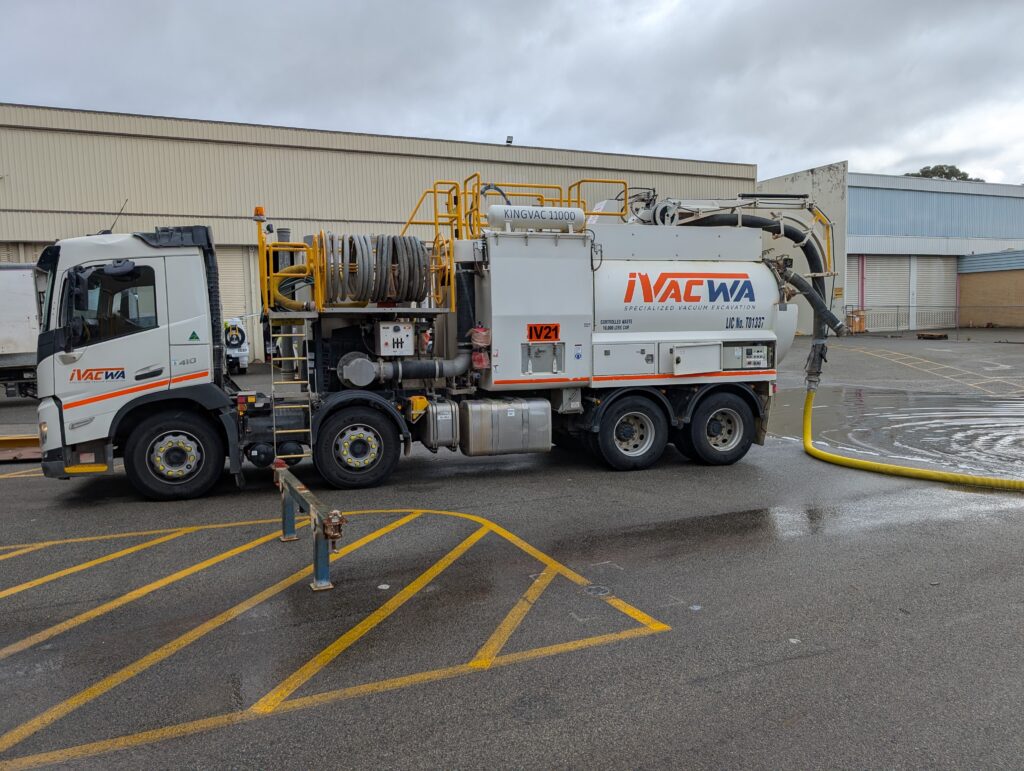
Our emergency response team arrived with vacuum trucks and containment equipment. Within hours, the contaminated soil and liquid were safely removed, preventing further spread and helping the contractor maintain regulatory compliance.
Situations like this highlight why professional emergency response is critical.
The Solution: Ivac WA’s Rapid Spill Response Process
At Ivac WA, we use a structured problem-solution methodology designed specifically for emergency environmental incidents across Western Australia.
Our response approach focuses on three critical steps.
1. Immediate Containment
The first priority is stopping the spread of contamination.
Our operators quickly establish barriers, absorbents, and containment systems to prevent the spill from reaching drains or surrounding soil.
This early containment step dramatically reduces environmental damage.
2. Vacuum Extraction and Site Recovery
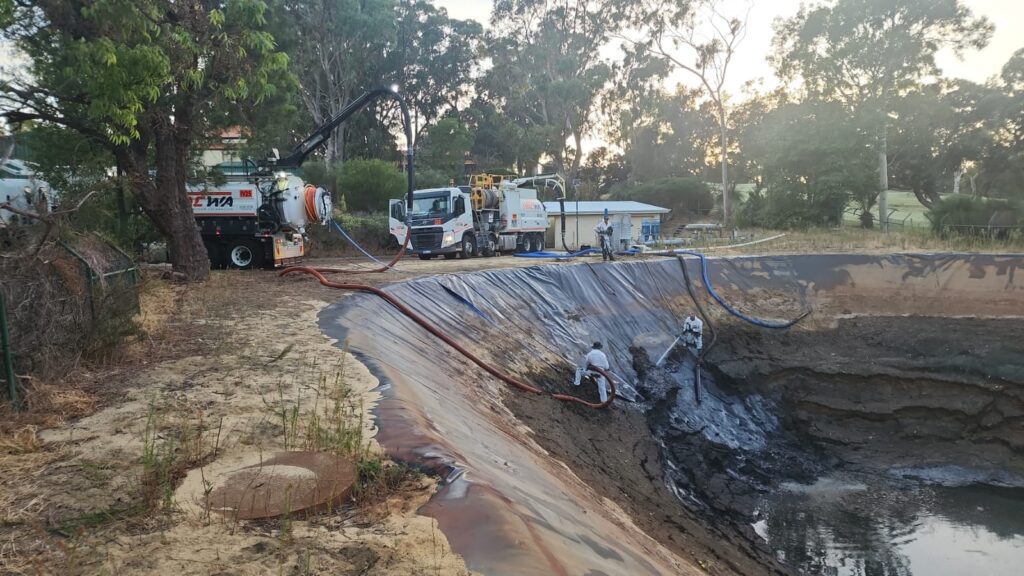
Once the spill is contained, our vacuum trucks remove contaminated liquids, sludge, and debris safely.
High-powered suction systems allow us to remove hazardous materials without spreading contamination. This is particularly effective for fuel spills, wastewater leaks, and chemical incidents.
If the spill has entered drainage infrastructure, our emergency drainage specialists can also clear and restore affected systems. Learn more about our dedicated drainage services here: Emergency drainage services in Perth
3. Environmental Compliance and Documentation
Many businesses underestimate the importance of documentation during spill incidents.
Our team records site conditions, containment actions, and material removal processes to ensure compliance with Western Australian environmental regulations.
For companies needing professional response support, our complete environmental emergency service is explained here: Emergency Spill Response & Environmental Services in Perth
What to Do During an Emergency Spill
One of the most common questions we receive from site managers is: “What should we do first?”
The key is acting quickly but safely.
If a spill occurs:
-
Stop the source if it is safe to do so
-
Isolate the area to prevent spreading
-
Protect nearby drainage systems
-
Contact a professional emergency spill response team
For a detailed step-by-step guide, we’ve created a practical resource for Perth businesses: What to Do During an Emergency Spill in Perth
Myth Busting: Common Misconceptions About Spill Clean-Up
Myth 1: Small spills are not a big problem
Even minor spills can contaminate stormwater systems and surrounding soil. Environmental authorities treat every spill seriously.
Myth 2: Absorbent pads solve the problem
Absorbent materials may slow a spill, but they rarely remove contamination completely. Professional extraction is usually required.
Myth 3: Internal teams can handle emergency spills alone
Without proper equipment and training, spill response can become dangerous and ineffective. Vacuum extraction and environmental containment require specialized expertise.
Why Perth Businesses Trust Ivac WA
Our team has worked across construction sites, industrial facilities, and infrastructure projects throughout Western Australia.
What sets Ivac WA apart is our combination of:
-
Rapid emergency response capability
-
Advanced vacuum truck technology
-
Experienced operators trained in environmental safety
-
Deep knowledge of WA regulatory requirements
Most importantly, we understand the pressure businesses face during an emergency incident. Our role is not just to clean the spill—but to protect your operations, reputation, and compliance obligations.
Final Thoughts
Emergency spills are unpredictable, but the response doesn’t have to be.
With the right equipment, trained operators, and a structured response strategy, spills can be contained quickly and safely without causing long-term environmental damage.
At Ivac WA, we’re committed to helping Perth businesses handle emergencies with confidence. From spill containment to environmental clean-up and drainage restoration, our team provides the expertise needed to protect both worksites and the environment.
If your site requires emergency spill response or preventative environmental services, partnering with experienced professionals can make all the difference.
FAQs about Emergency Spill Cleanup in Perth
1. What should you do first during an emergency spill in Perth?
The first step is to stop the source of the spill if it is safe to do so. Next, isolate the affected area and prevent the contaminant from reaching stormwater drains or surrounding soil. Acting quickly helps reduce environmental damage and regulatory risks. After containment, it’s important to contact a professional emergency spill response team like Ivac WA for safe cleanup.
2. Why are emergency spill clean-up services important for EPA compliance in WA?
Western Australian environmental regulations require businesses to contain and report spills immediately. If a spill contaminates soil, stormwater drains, or groundwater, companies may face fines or legal action. Professional spill clean-up ensures contaminants are safely removed, documentation is recorded, and your site remains compliant with EPA and environmental safety standards.
3. What types of spills commonly occur on Perth construction and industrial sites?
Common spill incidents in Perth include fuel leaks from machinery, hydraulic oil spills, chemical releases during industrial operations, and wastewater overflows during heavy rain or drainage failures. These spills can quickly spread through stormwater systems and cause environmental harm if not addressed immediately.
4. Can small spills be handled without professional assistance?
Many businesses believe small spills are harmless, but even minor leaks can contaminate soil and nearby drainage systems. Absorbent pads may help temporarily, but they rarely remove all hazardous materials. Professional vacuum extraction and environmental clean-up are often required to fully resolve the issue and prevent long-term damage.
5. How does Ivac WA safely clean up emergency spills?
Ivac WA follows a structured spill response process that begins with immediate containment to stop the spread of contamination. Next, our vacuum trucks remove hazardous liquids, sludge, and contaminated soil. Finally, we document the clean-up process to ensure full compliance with Western Australian environmental regulations and protect businesses from regulatory penalties.