
It starts with a slow drain. Then a smell you can’t quite place. Then one morning — water pooling where it shouldn’t, and a bill that lands like a punch to the stomach.
In Perth, sandy soil, tree roots, and harsh weather put serious stress on drains and septic systems. The good news is most issues can be prevented with the right approach. This guide explains the risks, causes, and smart solutions to protect your property.
Introduction: The Perth Problem Nobody Talks About Until It’s Too Late
There’s a moment every Perth homeowner dreads. You’re standing in the shower and the water is rising around your ankles. Or you step outside on a winter morning to find your backyard resembling a small lake. Or worse, a smell hits you from the garden that makes guests make their excuses and leave early.
Blocked drains, failing stormwater systems, and struggling septic tanks are not just inconveniences. They are urgent problems that can cause real property damage, genuine health hazards, and significant financial pain if left unaddressed or handed to the wrong people.
Perth’s unique combination of sandy soils, aggressive native tree root systems, dry summers followed by sudden heavy rainfall, and a significant proportion of properties still running on older infrastructure creates a plumbing environment unlike anywhere else in Australia. Generic advice from the internet rarely applies. What works in Sydney’s clay-heavy soil does not necessarily translate to the Swan Valley or the Hills.
Ivac Wa has been working in Perth’s drains, stormwater systems, and septic infrastructure for years, building a reputation built on local knowledge, honest advice, and the kind of technical capability that actually solves problems rather than just masking them. This article is designed to give you a clear picture of how these systems work, what goes wrong, what the warning signs look like, and what to do about it whether you handle it yourself or call in the professionals.
Understanding Your Systems: Drains, Stormwater and Septic
Before you can properly protect your property, you need a clear understanding of what’s happening beneath it. Many homeowners know that water flows through pipes underground, but in reality, three separate systems are working around your home. Each has a different role and each fails in its own way.
Household Drainage System
Your household drainage system is responsible for carrying all wastewater away from inside your home. Every sink, shower, bath, toilet, and water-using appliance connects to a network of pipes that move waste toward either the main sewer line or, in many Perth homes, a private septic system.
These pipes depend on proper slope, gravity, and an unobstructed path to function effectively. When something goes wrong, the signs are usually immediate and hard to ignore, such as slow drains, blockages, or unpleasant odors.
Stormwater System
The stormwater system is completely separate from your household drainage. Its job is to handle rainwater coming from your roof, driveway, garden, and other outdoor surfaces.
In Perth, this system typically includes gutters, downpipes, surface drains, soakwells, and underground piping. All of these components work together to move water away from your home and either direct it into the street drainage network or allow it to soak into the ground.
During the wet season, especially after long dry periods, this system can come under sudden pressure. If it’s blocked or not functioning properly, flooding can occur quickly and cause serious damage.
Septic System
If your property is not connected to the main sewer, it will rely on a septic system. This is a self-contained wastewater treatment setup designed to manage and process household waste on-site.
A typical system includes a septic tank, where solid waste settles and begins breaking down, and a leach drain or absorption area, where treated liquid is dispersed into the surrounding soil.
Septic systems are common in Perth’s outer suburbs, rural areas, and the Hills. They require regular maintenance and careful use to keep working efficiently. Unlike a blocked drain, problems with a septic system often develop slowly, but when they do surface, they can lead to serious and costly consequences.
Common Drain and Pipe Issues in Perth
Slow drains, complete blockages, gurgling noises, foul odors bubbling up from floor waste grates. These are the symptoms most Perth homeowners encounter at some point, and they almost always have one of a handful of root causes.
Key Causes of Drain and Pipe Problems
| Issue | Explanation |
|---|---|
| Grease and Fat Buildup | Grease and fat buildup is one of the leading causes of kitchen drain blockages across Perth. Every time oil, cooking fat, or food residue goes down a drain, it clings to the inside of the pipe. Over time, these deposits accumulate, narrow the pipe’s internal diameter, and eventually create a blockage that water cannot pass through. The problem is made worse by Perth’s warm climate, where organic matter in drains can also begin to decompose and create additional odor issues even before a full blockage develops. |
| Hair and Soap Scum | Hair and soap scum is the bathroom equivalent, combining in shower and bath drains to form dense, sticky clumps that trap everything else that comes down the pipe. This type of blockage is common, frustrating, and often recurs quickly if not properly cleared. |
| Tree Root Intrusion | Tree root intrusion is where Perth’s situation becomes particularly challenging. Perth is a city that loves its gardens, and many of Perth’s most popular native and non-native trees have extensive, aggressive root systems that actively seek out moisture. Underground pipes, particularly older clay or concrete pipes, have joints and small cracks that leak moisture into the surrounding soil. Tree roots detect this moisture and grow directly into the pipe, eventually creating blockages, pipe fractures, and in severe cases, structural collapse. In established Perth suburbs like Subiaco, Nedlands, Claremont, and throughout the Hills, tree root intrusion is one of the most common reasons for recurring drain problems. |
| Deteriorating Pipes | Deteriorating pipes are a factor in many older Perth properties. Clay pipes, once the standard, become brittle over decades. Concrete pipes crack. Even older PVC can degrade or shift as Perth’s sandy soils move. A pipe that has shifted, cracked, or partially collapsed creates a low point where waste and debris collect, leading to persistent blockages that no amount of plunging will permanently resolve. |
| Foreign Objects | Foreign objects are a constant factor in households with young children, and they are also a surprisingly common issue in commercial properties where staff disposal habits are harder to control. Wet wipes marketed as flushable, cotton pads, nappies, and sanitary products are among the most frequent culprits found in professional drain cleaning callouts. |
Case Study: The Stubborn Sink in Subiaco
A homeowner had dealt with a slow kitchen drain for 18 months. Two different plumbers cleared it with a cable snake. She’d tried every chemical product available. Within months, the problem always returned.
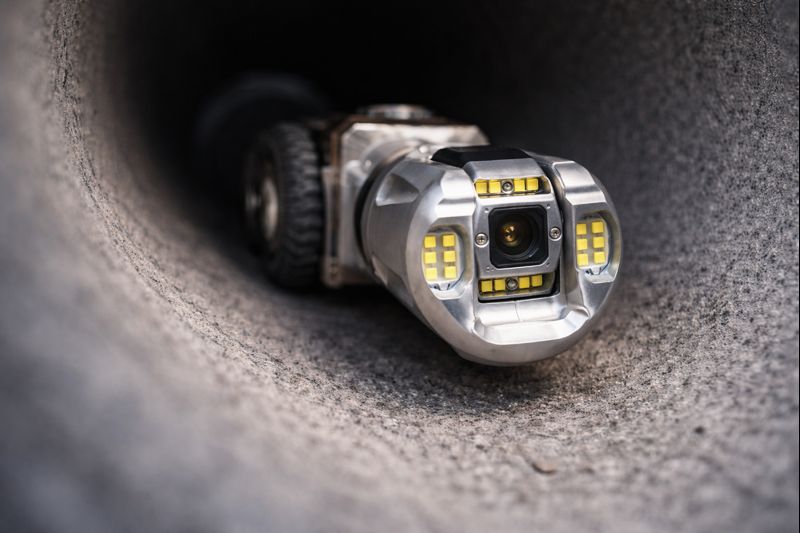
Ivac Wa ran a CCTV camera through the line and found a mature fig tree root system that had colonised a full section of pipe beneath the rear garden. Hydro-jetting combined with root-inhibiting treatment resolved it permanently. Eighteen months of frustration were fixed in a single day because the actual cause was finally identified.
Warning Signs You Shouldn’t Ignore
| Symptom | Likely Cause | Urgency |
|---|---|---|
| Single slow drain | Localised blockage | Low — monitor |
| Multiple slow drains | Blockage in shared pipe | Medium — act soon |
| Gurgling sounds across fixtures | Partial main blockage | Medium — act soon |
| Sewage backing into floor waste | Full or collapsed pipe | High — call now |
| Recurring blockages after clearing | Root intrusion or pipe damage | High — CCTV needed |
How Ivac Wa Diagnoses and Fixes Drain Problems
Step 1 — CCTV Drain Inspection
A camera is run through the pipe to provide real-time footage of exactly what’s inside, where the problem is, and the condition of the pipe itself. This is not an upsell. It’s the only way to know what’s actually happening without excavating.
Step 2 — High-Pressure Hydro-Jetting
Highly pressurised water cuts through grease, roots, and debris — leaving the pipe genuinely clean rather than just temporarily passable. Unlike chemical cleaners, it doesn’t damage pipes or disrupt septic systems.
Step 3 — Targeted Repair or Treatment
Depending on findings: root-inhibiting treatment, pipe patching, pipe relining, or full excavation and replacement where necessary. The diagnosis drives the solution — every time.
Navigating Stormwater Challenges in Perth
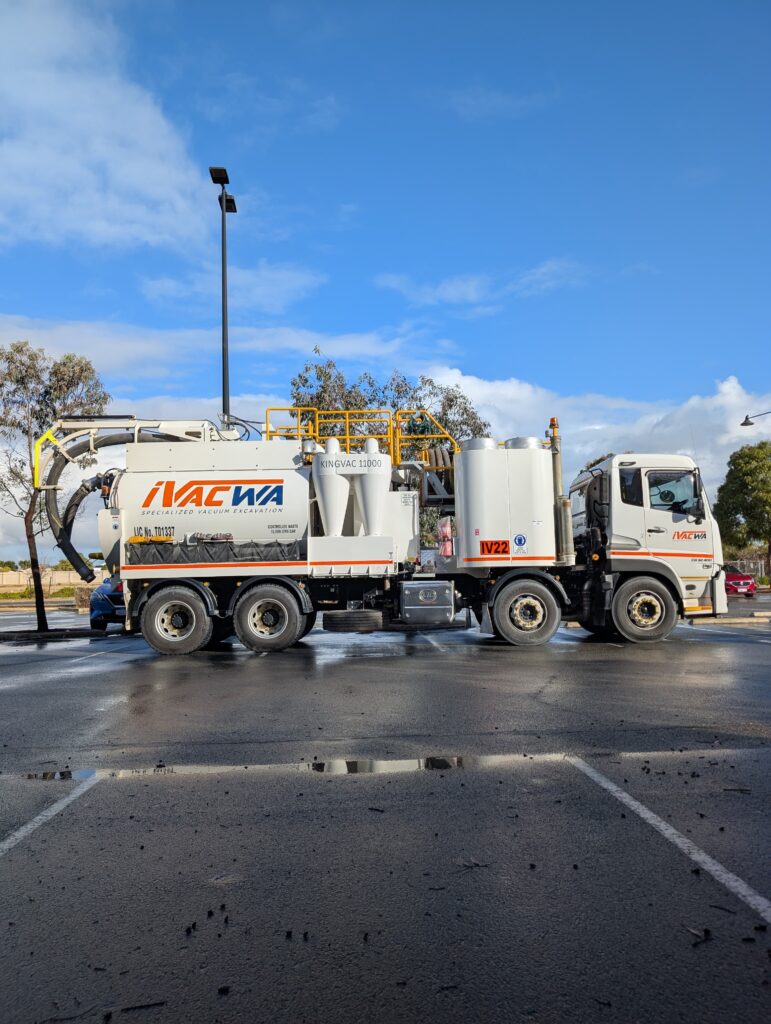
Perth’s climate creates a particular set of stormwater challenges. The city experiences a Mediterranean climate with dry, hot summers and most of its annual rainfall concentrated between May and September. What this means practically is that stormwater infrastructure can sit largely unused for months, accumulate debris, and then be suddenly called on to handle significant volumes of water during winter storms. Systems that might function adequately under light use can fail dramatically when they are actually needed most.
Common Stormwater Problems in Perth
The most common stormwater problems Perth homeowners face include overflowing or blocked gutters and downpipes, blocked or insufficient soakwells, surface water pooling in yards and driveways, and overloaded or damaged underground stormwater pipes.
Blocked Gutters and Downpipes
Blocked gutters are deceptively simple but genuinely consequential. Perth’s native flora, including eucalypts and banksias, shed leaves and bark constantly, and in spring and autumn particularly, gutters can fill with organic matter in a matter of weeks. A blocked gutter cannot drain properly during rainfall, leading to overflow that runs directly down the fascia, potentially causing rot and damage to the roof structure, and pools against the home’s foundation, which in Perth’s sandy soils can cause movement and erosion. This is a problem that is almost entirely preventable with regular maintenance and entirely avoidable with the right gutter guard systems.
Soakwells and Drainage Capacity
Soakwells are the backbone of Perth’s residential stormwater management. Most Perth homes are built with soakwell systems designed to absorb roof and surface runoff directly into the sandy soil beneath the property. When soakwells are working properly, they handle rainfall quickly and effectively. When they are blocked with silt, debris, or have simply reached the end of their serviceable life, they stop absorbing water. The result is water backing up through downpipes, pooling on the surface, and potentially entering the home.
Case Study: The Flooded Backyard in Fremantle
A memorable case from Fremantle illustrates this well. A homeowner contacted Ivac Wa after two consecutive winters of significant backyard flooding during moderate rainfall events. The backyard would fill with water within an hour of rain starting and take days to drain away. The property’s soakwells were the original concrete ring systems installed when the home was built decades earlier. They had silted up to the point where they had almost no remaining absorption capacity. Rather than simply cleaning the existing soakwells, which would have provided only temporary relief, Ivac Wa assessed the stormwater load for the property and installed appropriately sized modern soakwells, clearing the old systems and ensuring the new installation was correctly positioned and connected. The following winter, the backyard remained dry through every rainfall event. The homeowner’s description was that it felt like having a different property.
Stormwater Compliance in Perth
Perth property owners are legally responsible for managing stormwater runoff on their own property. It cannot be directed onto neighbouring lots or in ways that cause flooding. Local councils and the Water Corporation both have applicable requirements.
Ivac Wa assesses and advises on compliance as part of every stormwater engagement. Read sign of stormwater for Perth Businesses.
Septic System Care and Troubleshooting for Perth Homes
For Perth homes not connected to the main sewer, the septic system is one of the most important parts of the property. When maintained properly, it can last for decades. When ignored, it can lead to costly repairs, health risks, and compliance issues.
How a Septic System Works
| Component | Function |
|---|---|
| Septic Tank | Solids settle as sludge, while oils and fats float as scum. |
| Effluent Layer | Liquid wastewater flows out of the tank to the next stage. |
| Leach Drain | Disperses treated water into the soil for natural filtration. |
| Bacteria | Break down waste inside the tank, keeping the system balanced. |
Anything that disrupts this bacterial balance, such as harsh chemicals or non-biodegradable waste, reduces system efficiency.
Common Septic Problems
- Overdue tank pumping leading to sludge buildup
- Blocked or failing leach drains (biomat buildup)
- Strong odors around the yard or tank area
- Slow drains or sewage backing up inside the home
Pumping and Maintenance
Regular pumping is essential:
- Standard recommendation: every 3–5 years
- Depends on tank size, household size, and usage
- Waiting for warning signs usually means the system is already under stress
Serious Risk: Leach Drain Failure
Leach drain failure is one of the most expensive septic issues.
- Caused by soil clogging (biomat buildup)
- Cannot fix itself once fully failed
- May require system rest, treatment, or full replacement
Case Study: A Septic Success Story in the Perth Hills
A Perth Hills homeowner noticed soft wet patches in a specific garden area, a faint sewage smell near the boundary, and slowly draining indoor fixtures — all over about a year.
Ivac Wa pumped the overdue tank, inspected the leach drain, and found it stressed but not yet failed. A rest period combined with enzyme treatment and managed water reduction allowed the leach field to recover. The homeowner avoided a full leach drain replacement. Early detection saved thousands of dollars.
What Septic Owners Must Never Do
- Flush anything except human waste and toilet paper
- Pour cooking oil, grease, or food scraps into sink drains
- Use chemical drain cleaners that flow into the septic system
- Drive vehicles or park heavy equipment over the leach drain area
- Plant trees anywhere near the leach drain field
- Ignore wet patches, odours, or slow drains near the system
Ivac Wa’s Expert Services: Your Perth Solution
Ivac Wa offers a full range of drain, stormwater, and septic services across the Perth metropolitan area and surrounding regions. The focus is on providing genuine solutions rather than temporary fixes, using diagnostic and treatment approaches that address root causes rather than just symptoms.
For drain and pipe issues, Ivac Wa’s services include CCTV drain inspection, high-pressure hydro-jetting, root cutting and treatment, pipe patching and relining, and full excavation and pipe replacement where required. The CCTV inspection capability is central to the service offering, because the team believes that proper diagnosis always precedes proper treatment. Recommending a treatment without understanding what is actually in the pipe is guesswork, and guesswork costs clients money.
For stormwater management, Ivac Wa provides soakwell installation and replacement, stormwater drain clearing and maintenance, surface drainage assessment and design, and gutter and downpipe clearing. The team understands Perth’s specific stormwater requirements and can advise on appropriate solutions for the property’s soil type, drainage load, and local council requirements.
For septic services, Ivac Wa provides septic tank pumping and cleaning, CCTV inspection of septic components, leach drain assessment and treatment, and full septic system replacement where necessary. The team is experienced with all common septic system types found in Perth and the surrounding regions and can work within the regulatory framework applicable to the property.
Emergency callout availability is something Ivac Wa takes seriously. A sewage backup or stormwater flood does not follow business hours, and the team maintains the capability to respond to genuine emergencies because it understands the difference between an issue that can wait for a scheduled appointment and one that cannot.
For urgent situations, Ivac Wa’s certified team also provides professional emergency spill clean-up in Perth, ensuring rapid, compliant, and safe resolution.
Preventative Maintenance Checklist for Perth Property Owners
The most effective way to avoid costly drain, stormwater, and septic issues is to catch problems early. This simple checklist helps keep your systems running smoothly all year.
Monthly Checks
- Inspect external drains and grates for leaves, dirt, and buildup
- Clear minor blockages before they worsen
- Run water through unused drains to prevent dry traps and odors
- Check under sinks for slow drainage or unusual smells
Seasonal Maintenance (Before Winter)
- Clean gutters and downpipes thoroughly
- Ensure downpipes direct water to soakwells or drainage systems
- Inspect soakwell lids and surface drains for blockages or damage
- Look for wet patches, strong odors, or unusual grass growth near septic areas
- Pay attention to slower drainage as an early warning sign
Every 3–5 Years
- Schedule a septic tank pump-out (if applicable)
- Book a CCTV drain inspection for older properties or recurring issues
- Especially important for homes with mature trees and older pipes
Helpful Maintenance Products
| Product | Benefit |
|---|---|
| Enzymatic Drain Cleaners | Break down grease and organic matter naturally without harming pipes or septic systems |
| Stormwater Grates & Filters | Prevent leaves and debris from entering drainage systems and soakwells |
| Septic Bacterial Additives | May help restore bacterial balance, especially after heavy chemical use |
These products support maintenance but do not replace professional servicing when serious issues arise.
Why Choose Ivac Wa? The Local Difference
There is a significant difference between a generic plumbing service that handles drain blockages as one of dozens of service types and a company whose focus is specifically on drain, stormwater, and septic systems. Ivac Wa sits firmly in the second category.
Perth-specific knowledge matters. The tree root species causing problems in a Subiaco garden are different from those in the Hills. The soil conditions affecting soakwell performance in Mandurah differ from those in the northern suburbs. The septic system types found in older Hills properties are different from those installed in newer rural subdivisions. A team that works exclusively in these systems across Perth and its surrounds builds a depth of local knowledge that cannot be replicated by a generalist.
The diagnostic-first approach means that Ivac Wa does not guess. The investment in CCTV inspection technology is a commitment to understanding problems properly before treating them. This saves clients money in the long run because it avoids repeated treatments for problems that have not actually been resolved and ensures that the treatment applied is appropriate for the actual cause.
Transparent communication is something the team takes seriously. Before any work is carried out, clients understand what has been found, what is recommended, why, and what it will cost. There are no hidden charges and no pressure to approve work that is not genuinely necessary.
The commitment to proper repair over temporary fixes means that Ivac Wa aims to resolve problems permanently where possible. All work is carried out by fully certified professionals, ensuring compliance with Perth regulations and industry standards. This is not always achievable in a single visit if the underlying infrastructure requires significant work, but the goal is always a genuine solution rather than a treatment that will see the team back at the same property in three months.
FAQs About Drain, Stormwater and Septic Services in Perth
How do I know if I have a blocked drain or a more serious pipe problem?
A single slow drain typically indicates a localized blockage in that drain’s pipe. Multiple slow drains or gurgling sounds across different fixtures often indicate a blockage further down the system in a shared pipe. If you are seeing sewage backing up into floor wastes or toilets, this is a serious situation requiring immediate attention. When blockages recur repeatedly despite being cleared, this usually indicates an underlying structural issue such as root intrusion or pipe damage that a CCTV inspection can identify.
Is CCTV drain inspection really necessary?
In many cases it is the only way to understand what is actually happening inside a pipe without excavating it. For a first-time blockage in a known low-risk location, it may not be required. For any recurring problem, any property with established trees near drainage lines, or any older property where you are concerned about pipe condition, it provides information that changes the approach to the problem and often saves money by avoiding inappropriate treatments.
How often should a septic tank be pumped?
The standard recommendation is every three to five years for a typical household, but this varies based on tank size, number of occupants, and usage patterns. If you are not sure when your tank was last serviced, scheduling an inspection and pump-out is a sensible starting point.
Can I use bleach and antibacterial cleaners if I have a septic system?
Occasional use in normal household quantities is unlikely to cause significant harm, but regular heavy use of antibacterial products can deplete the bacterial population in the tank that is essential for breaking down waste. Opt for septic-safe cleaning products where possible and avoid pouring concentrated disinfectants, bleach, or chemical drain cleaners directly into drains that feed the septic system.
What should I do if I notice wet patches or strong odors near my leach drain area?
Contact a professional promptly. Wet patches or odors near the leach drain area are early warning signs of leach drain stress or failure. Catching this early can mean the difference between a recovery treatment and a full leach drain replacement.
Who is responsible for stormwater management on my property in Perth?
Property owners are responsible for managing stormwater runoff from their property. Water must be managed on-site or directed to approved drainage infrastructure. It cannot be directed onto neighboring properties or in ways that cause nuisance flooding. Local councils have specific requirements, and Ivac Wa can advise on compliance for your situation.
Conclusion: Protect Your Property, Call the Professionals Who Know Perth
Drain blockages, stormwater failures, and septic problems are not inevitable. With the right knowledge, reasonable preventative habits, and access to professional expertise when it is needed, Perth property owners can protect their homes from the most common and costly underground infrastructure failures.
The key points from this guide are worth keeping in mind. Recurring drain problems almost always have an underlying cause that has not yet been identified. A CCTV inspection is the fastest and most cost-effective path to understanding that cause. Stormwater systems need maintenance before winter, not during it. Soakwells that have silted up provide little or no protection against rainfall and need to be assessed and, where necessary, replaced. Septic systems need regular pump-outs on a schedule, not when they start showing symptoms of failure. Catching septic problems early is the single most effective way to avoid expensive repair bills.
When you need professional help with any of these systems in Perth, Ivac Wa brings the local knowledge, diagnostic capability, and commitment to proper repair that these problems require.
Contact Ivac Wa today to schedule a drain inspection, arrange a septic pump-out, or get honest advice on your stormwater system. Small problems stay small when they’re caught early.