
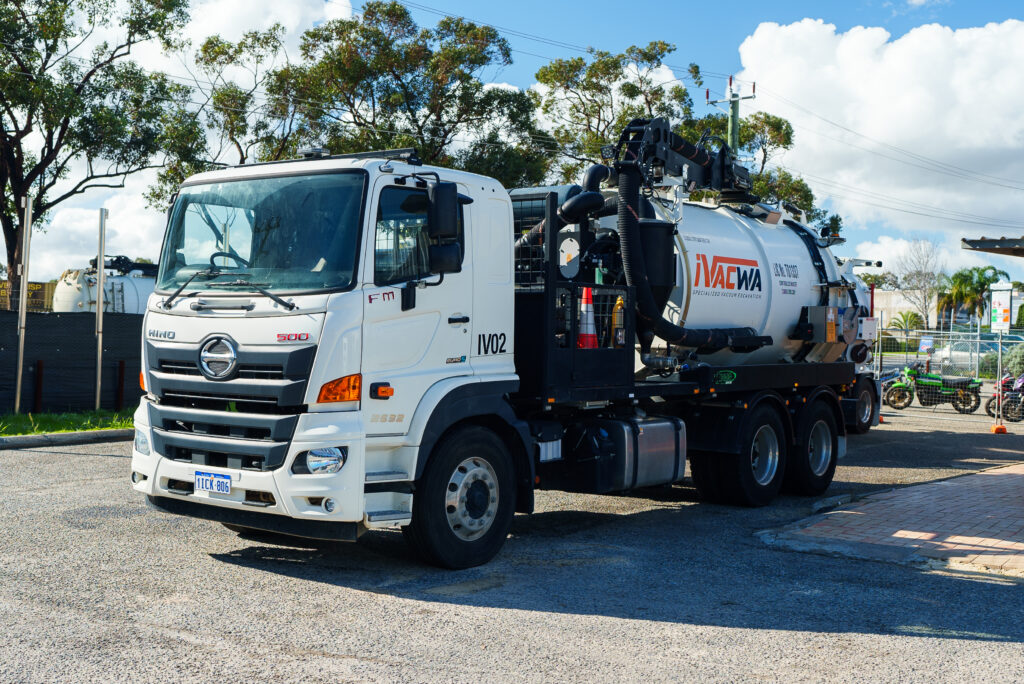
Hydro Excavation has become one of the most reliable and efficient excavation methods for modern construction projects. By using pressurised water and a powerful vacuum system, it enables precise digging while reducing the risk of damage to underground utilities. Unlike traditional excavation techniques, which can be disruptive and hazardous, Hydro Excavation provides a safer, cleaner, and more cost-effective approach to site preparation. As construction demands grow more complex, contractors are increasingly turning to this innovative method to deliver projects with greater efficiency and fewer setbacks.
Key Takeaways
Hydro Excavation improves accuracy and reduces the risk of utility damage.
It enhances safety on construction sites by minimising worker exposure to hazards.
The method is environmentally friendly and reduces unnecessary disruption to soil.
It saves both time and costs compared to conventional digging.
Hydro Excavation offers versatility, making it suitable for a wide range of projects.
1. Greater Accuracy and Precision
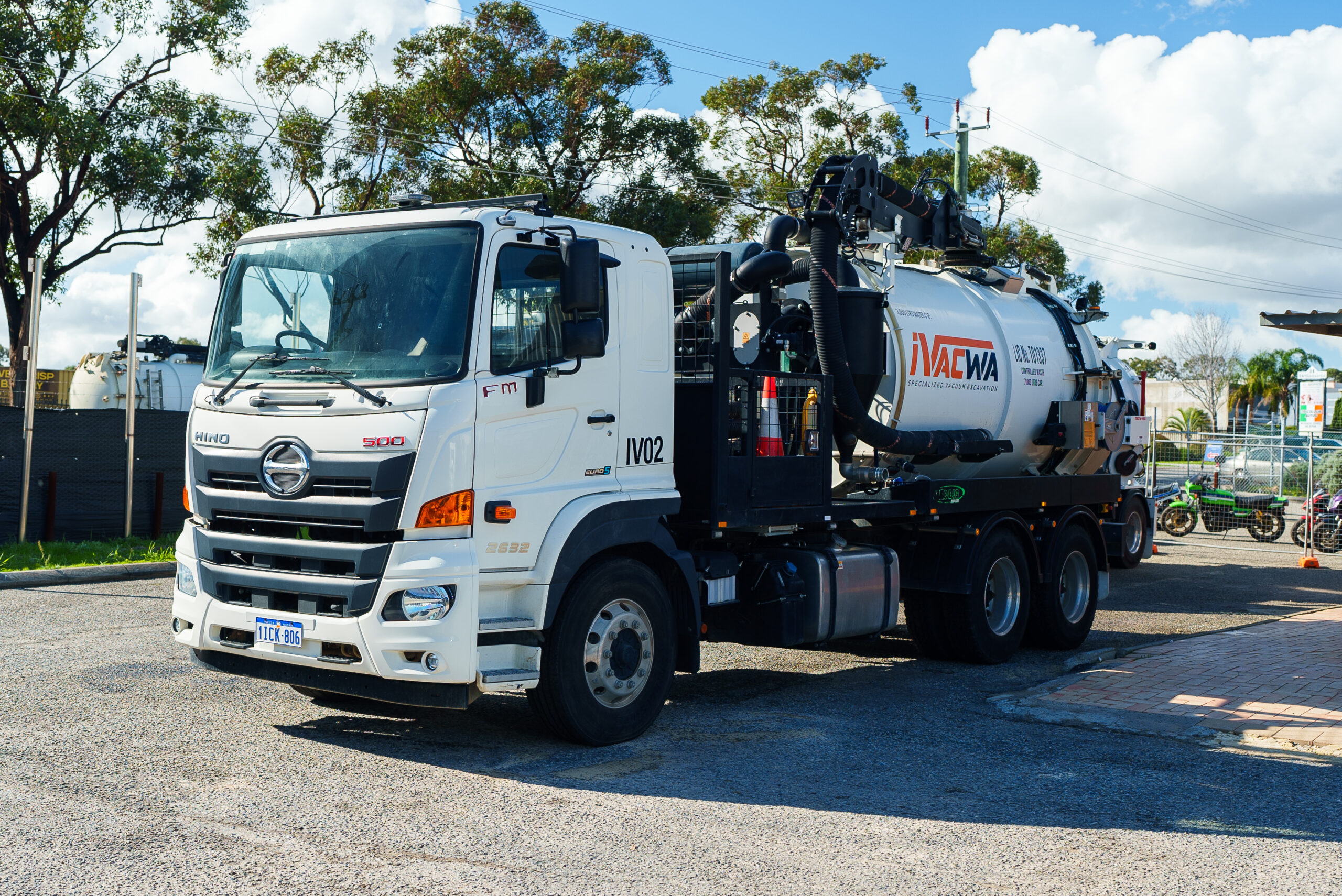
One of the biggest advantages of Hydro Excavation is its unmatched accuracy. Traditional excavation methods often rely on heavy machinery that can unintentionally strike or damage underground utilities such as gas lines, cables, or water pipes. With Hydro Excavation, high-pressure water cuts through soil with remarkable precision while the vacuum system immediately removes debris.
This careful process significantly reduces the chances of accidents, costly repairs, and service interruptions. For construction managers, it means improved reliability when working around sensitive infrastructure, helping projects move forward without unexpected delays.
Reducing Rework and Delays
Accuracy also means fewer errors on site. Every construction manager understands how disruptive rework can be, leading to wasted resources and extended project timelines. Hydro Excavation lowers the risk of mistakes, ensuring projects progress smoothly from one stage to the next.
2. Improved Safety on Site
Safety is always a top priority on any construction project. Hydro Excavation contributes directly to safer working conditions by limiting the need for manual digging and reducing the risk of accidental strikes on underground assets. When workers are not exposed to sharp tools, unstable soil, or dangerous utility lines, the likelihood of injuries decreases.
Protecting Workers and the Public
In urban construction zones where utilities are dense, Hydro Excavation provides peace of mind. The method minimises hazards not only for workers, but also for surrounding communities, helping companies uphold strong safety standards and maintain public trust.
3. Environmentally Friendly Method
Another major benefit of Hydro Excavation is its low environmental impact. Traditional excavation can disturb large areas of land, disrupt ecosystems, and generate excessive dust and debris. Hydro Excavation, by contrast, uses controlled water pressure and targeted soil removal, preserving the surrounding environment as much as possible.
Less Surface Damage
Because it only affects the areas being excavated, Hydro Excavation prevents unnecessary surface damage. Landscaping, tree roots, and nearby structures remain protected, which is particularly important for projects in residential neighbourhoods or environmentally sensitive zones.
4. Cost and Time Efficiency
Every construction project faces pressure to stay on schedule and within budget. Hydro Excavation delivers advantages in both areas. By speeding up the excavation process and reducing the risk of damaging utilities, it helps avoid expensive delays and repairs.
Long-Term Savings
While the upfront cost of Hydro Excavation may be higher than manual digging, the savings over the life of the project are substantial. Fewer delays, less rework, and lower repair costs add up quickly, making this method highly cost-effective for contractors and developers.
5. Versatility for Different Projects
Hydro Excavation is not limited to a single type of job. Its versatility makes it suitable for a wide variety of applications across the construction industry. From daylighting utilities and installing poles to trenching and slot digging, Hydro Excavation adapts easily to different needs.
Ideal for Challenging Conditions
This method is particularly useful in areas with frozen ground, compact soil, or difficult access points. Traditional excavation equipment may struggle in such environments, but Hydro Excavation handles them effectively with minimal disruption.
Frequently Asked Questions
1. What is Hydro Excavation used for in construction projects?
Hydro Excavation is mainly used for safe digging around utilities, trenching, pole installation, and other tasks requiring precision.
2. Is Hydro Excavation more expensive than traditional digging?
The initial cost can be higher, but it saves money in the long run by reducing damage, delays, and rework.
3. Can Hydro Excavation be used in residential areas?
Yes, it is ideal for residential projects as it reduces disruption, preserves landscaping, and ensures safe utility exposure.
4. Does Hydro Excavation work in cold weather?
Yes, with heated water systems, Hydro Excavation can cut through frozen ground efficiently.
5. Why is Hydro Excavation considered safer than manual excavation?
It limits worker exposure to hazards, reduces manual labour, and prevents accidental strikes on underground assets.
Conclusion
Hydro Excavation offers a combination of safety, precision, environmental responsibility, and cost savings that traditional excavation methods simply cannot match. Its ability to adapt to a wide range of projects makes it a valuable choice for construction companies aiming to deliver work efficiently and safely. By adopting this advanced method, contractors can reduce risks, protect the environment, and achieve better results for their clients.
If you are planning your next project, explore Hydro Excavation services with ivacwa.com.au and experience the difference it can make to your construction process.